
A laboratory fume hood is designed to capture hazardous vapors, gases, and other airborne contaminants at their source and exhaust them through an appropriate ventilation system.
For laboratory designers, contractors, and purchasing teams, selecting a fume hood involves more than choosing a size or appearance. The chemical application, airflow requirements, installation conditions, and maintenance plan all influence whether a hood is suitable for the project.
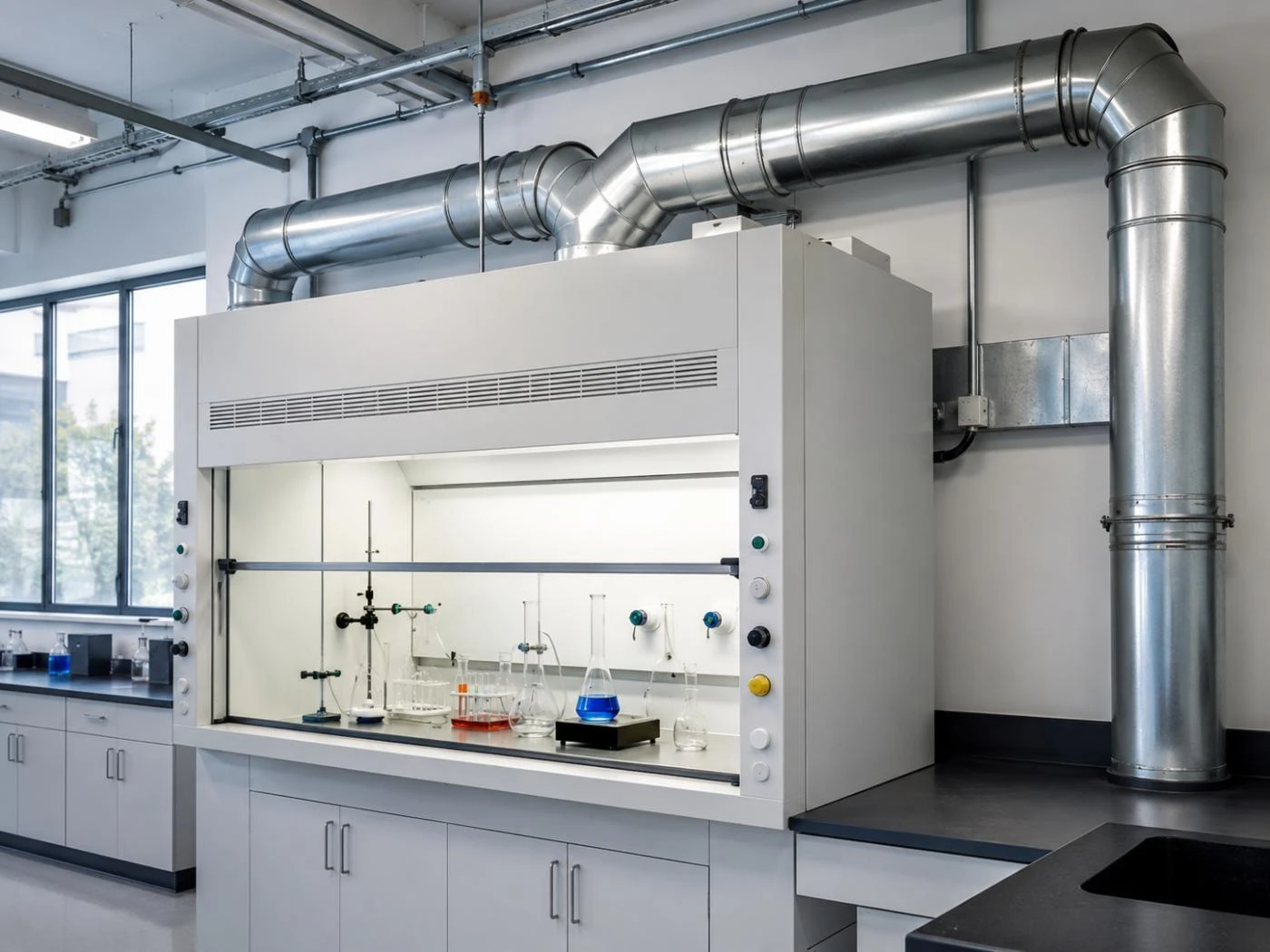
What Is a Laboratory Fume Hood?
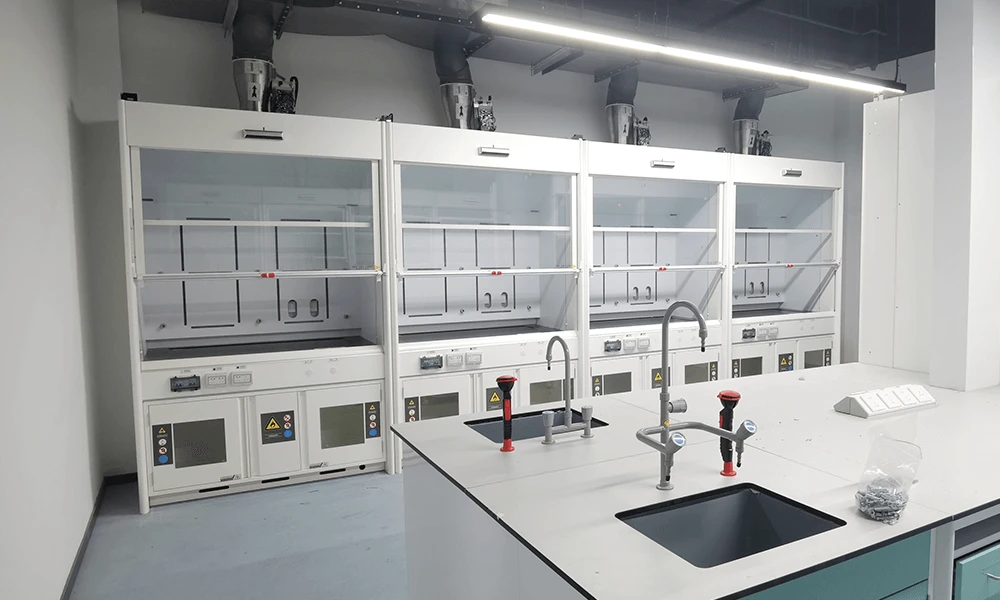
A fume hood is a ventilated enclosure used to reduce laboratory personnel's exposure to hazardous airborne substances during chemical handling and experimental work. It generally includes a sash, work surface, internal baffles, exhaust connection, lighting, and optional utility services.
Unlike general room ventilation, a fume hood provides local exhaust at the point where contaminants are generated. However, its protective performance depends on proper design, installation, testing, and operation. A hood should not be treated as a substitute for a laboratory safety assessment.
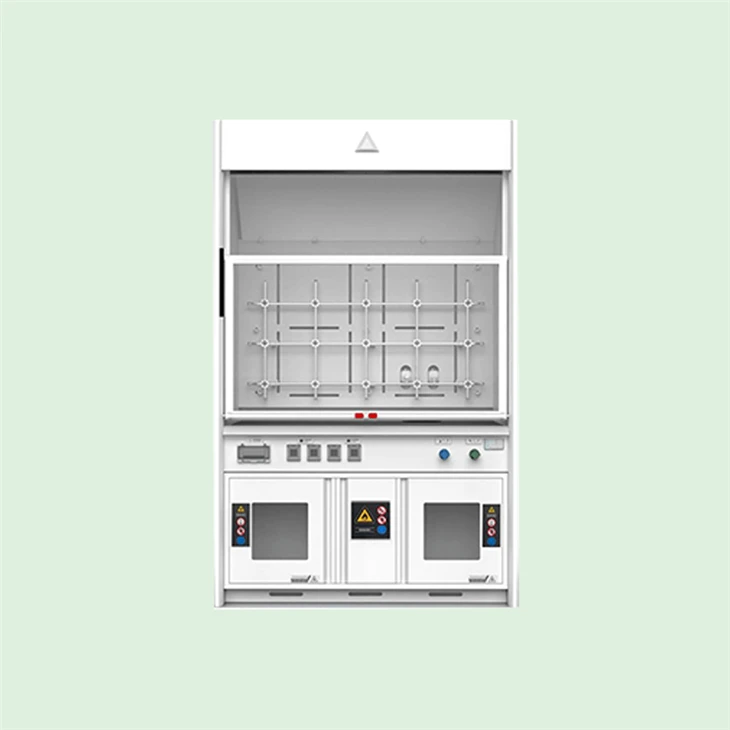
Ducted vs. Ductless Fume Hoods: Which Is Suitable?
Ducted fume hoods
Ducted fume hoods exhaust contaminated air through ductwork to a designated discharge point. They are generally preferred for applications involving hazardous chemicals, variable chemical use, or processes requiring continuous removal of contaminants.
Their performance depends on the exhaust fan, duct design, room air balance, hood placement, and commissioning. These factors should be reviewed early, particularly in new construction or laboratory renovation projects.
Ductless models use chemical-specific filters to capture certain contaminants before returning filtered air to the room. They may be considered for limited applications where the chemical inventory is known, filtration compatibility has been verified, and local safety requirements permit their use.
A common purchasing mistake is treating ductless hoods as a universal alternative to ducted systems. Filter suitability varies by chemical, concentration, and operating conditions. Filter breakthrough, replacement intervals, and disposal also need to be considered.
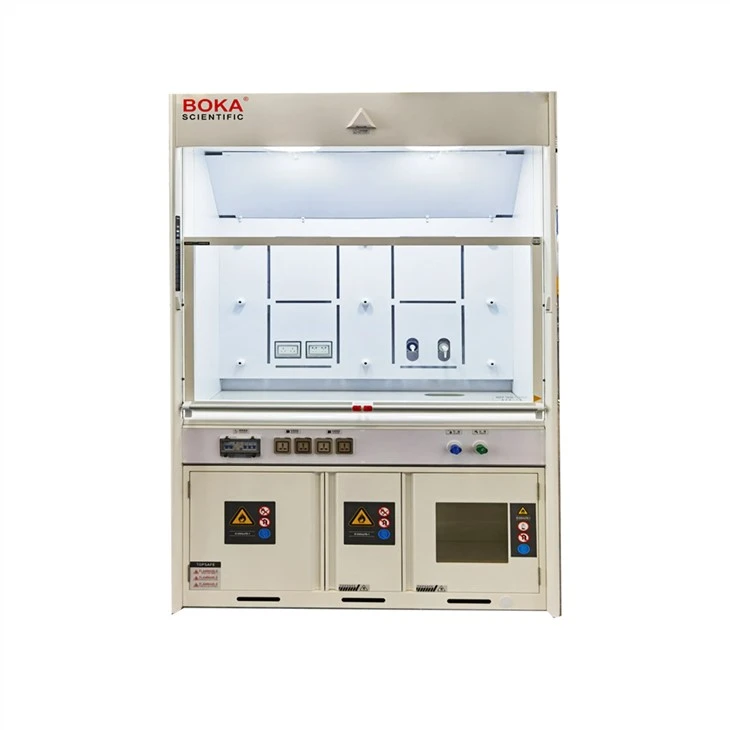
How to Choose Fume Hood Construction Materials
Material selection should be based on the chemicals used, cleaning procedures, temperature exposure, and expected service conditions.
| Material |
Typical considerations |
|||
| Powder-coated steel | Common for general laboratory applications; coating compatibility and damage resistance should be reviewed. | |||
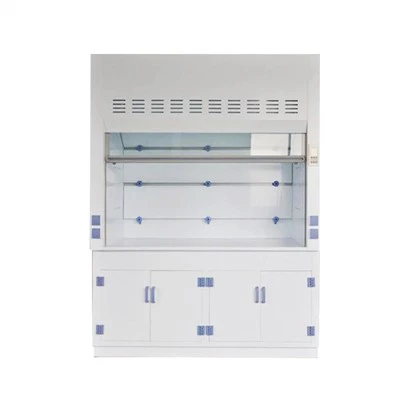
| Polypropylene (PP) | Often considered for corrosive chemical environments, subject to chemical compatibility and structural requirements. | |||
| Stainless steel | Suitable for selected environments requiring corrosion resistance, cleanability, or specific hygiene requirements. | |||
| Epoxy resin or phenolic worktops | Often used for laboratory work surfaces; confirm compatibility with reagents, heat, and impact exposure. |
Material selection is often more important than appearance. For example, a steel structure may be suitable for a general chemistry laboratory, while a PP construction may be worth considering for applications involving more aggressive corrosive chemicals. The final choice should be based on a chemical compatibility review rather than material names alone.
Key Specifications Buyers Should Confirm
Before requesting a quotation, confirm the following project requirements:
- External and internal dimensions: Check available floor space, equipment dimensions, and working clearance.
- Exhaust volume and airflow control: Specifications should match the ventilation design and intended operation.
- Sash type and opening height: Consider equipment access, operating position, and the specified working opening.
- Worktop material: Confirm chemical, heat, and mechanical resistance according to the application.
- Utility services: Identify water, gas, electrical outlets, drainage, and other connections required.
- Monitoring and alarms: Determine whether airflow or other operating conditions require monitoring.
- Installation conditions: Confirm duct connection, electrical supply, floor loading, access routes, and coordination with laboratory benches and cabinets.
A quoted airflow value alone does not establish containment performance. Buyers should review the relevant test method, test conditions, and project requirements rather than compare isolated figures.
Common Purchasing Mistakes
Selecting a hood based only on price or nominal width may create additional costs later. A lower-cost unit may require modifications if utility locations, duct connections, internal dimensions, or materials do not match the laboratory design.
Another frequent issue is specifying the hood after the ventilation system has already been designed. The hood, exhaust system, room supply air, and nearby equipment should be coordinated as part of the laboratory layout. Installation location also matters because door movements, pedestrian traffic, and air supply diffusers may affect airflow stability.
For larger projects, confirm the drawings, utility positions, dimensions, materials, accessories, packaging, and commissioning responsibilities before production begins.
What Should Be Confirmed Before Ordering?
A practical procurement checklist includes:
- Chemical inventory and intended applications
- Required hood type and applicable project standards
- Dimensions and working opening
- Construction and worktop materials
- Exhaust and utility requirements
- Accessories and control options
- Installation, testing, and commissioning responsibilities
- Maintenance access and replacement parts availability
The right fume hood is the one that matches the actual laboratory process and building infrastructure-not simply the one with the most features.
FAQ

01.What is the difference between a ducted and a ductless fume hood?
02.Which material is best for a chemical fume hood?
03.How do I determine the right fume hood size?
04.Does a fume hood need to be tested after installation?
05.What should I provide when requesting a fume hood quotation?
Planning a new laboratory or upgrading your existing facility?
Choosing the right fume hood requires careful consideration of chemical applications, materials, airflow, dimensions, and installation requirements.
Contact BOKA to discuss your laboratory fume hood specifications, project requirements, and customized configurations.