

-

Lab Biological Safety Cabinet (BSC) For Microbiology
Classii B2 Type,Ce Certificated,Biological Safety Cabinet/Biosafety Cabinet/Microbiological Safety Cabinet Add to Inquiry -
Class II A2 Biological Safety Cabinet For Cell Culture Lab
Biosafety CabinetThe biosafety cabinet (BSC) is a negative pressure filter fume hood, which can prevent the operator and the environment from being exposed to the biological aerosol pollution Add to Inquiry -
Biological Biosafety Cabinet Class ii Type A2
The Class II Type A2 Biological Biosafety Cabinet is a negative pressure, air purification safety device designed to protect personnel, samples, and the environment from hazardous biological agents. Add to Inquiry -
Class III Biological Safety Cabinet with ULPA Filter
The class III biological safety cabinet with ulpa filter is designed with an ergonomic 10° inclination angle for better operating experience. The shell is made of high-quality cold-rolled steel plate Add to Inquiry -
Class II B2 Biological Safety Cabinet for Laboratory
The Class II B2 Biological Safety Cabinet delivers 100% total exhaust containment for high-risk work with volatile chemicals, radionuclides, and biohazards. Featuring zero air recirculation, dual Add to Inquiry -
BioSafety Cabinet Class 1 with HEPA Filter
This Class 1 BioSafety Cabinet with HEPA Filter offers 0.3~0.5 m/s airflow, 99.999% filtration efficiency at 0.3 μm, a 304 stainless steel worktable, UV and fluorescent lamps, and operates quietly Add to Inquiry -
Class 3 Biosafety Cabinet with Gloves and Pass Box
Class 3 Biosafety Cabinet with gloves and pass box is engineered for the highest isolation needs in BSL-3 and BSL-4 laboratories. Equipped with ULPA filters providing up to 99.999% retention Add to Inquiry -
Class II A2 Biological/Microbiological Safety Cabinet
Biosafety CabinetThe biosafety cabinet (BSC) is a negative pressure filter fume hood, which can prevent the operator and the environment from being exposed to the biological aerosol pollution Add to Inquiry -
Horizontal Laminar Air Flow Cabinet for Pharmaceutical Cl...
Find the Horizontal laminar air flow cabinet for pharmaceutical clean room at BOKA. We are one of the leading manufacturers and suppliers in China, welcome to buy our products at low price, and also Add to Inquiry -
Class II Biosafety Cabinet with CE, ISO, and EU Certifica...
The biosafety cabinet protects the operator, the laboratory environment, and the laboratory materials from exposure to the above operations in order to manipulate infectious materials such as primary Add to Inquiry -
Microbiological Safety Cabinet
Classii B2 Type,Ce Certificated,Biological Safety Cabinet/Biosafety Cabinet/Microbiological Safety Cabinet Add to Inquiry -
Biosafety Cabinet Class II Type A2 Specification
Class II Type A2 Biosafety Cabinet is designed for laboratory safety, offering comprehensive protection for operators, samples, and the environment. Equipped with efficient HEPA filters, it ensures Add to Inquiry


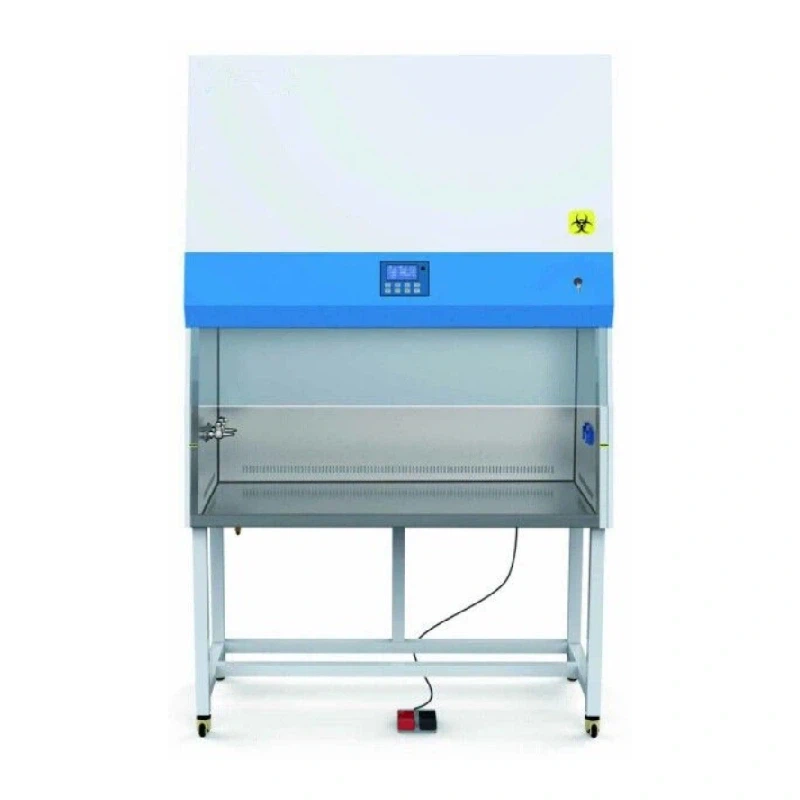


Types of Biosafety Cabinet
The biosafety cabinets produced by our company mainly include the following types
01
CLASS I BSC
Class I cabinets provide personnel and environmental protection by filtering air through a HEPA filter before it is exhausted. These cabinets do not protect the product within from potential contamination and are suitable for general manipulations of low-to-moderate risk agents where product sterility is not a priority.
02
CLASS II BSCS
Class II cabinets are designed to protect the product, personnel, and environment, making them ideal for handling microbiological and biotechnological materials with a requirement for aseptic conditions.
03
CLASS III BSCS
Offering the highest level of protection, Class III cabinets are gas-tight enclosures used with high-risk microbiological agents and hazardous chemicals. They operate under negative pressure, and materials are manipulated through attached gloves. Learn more about Class III BSCs.

Applications of Biosafety Cabinet
Microbiological Research
Biosafety Cabinets (BSCs) are extensively used in microbiological research to handle pathogens, bacteria, viruses, and fungi. As primary barriers, they provide a controlled environment that prevents contamination of samples and protects researchers from exposure to potentially harmful microorganisms.
Pharmacy Compounding
In healthcare system pharmacies, Biosafety Cabinets (BSCs) are indispensable for compounding sterile medications, particularly in the preparation of injectable drugs. As Containment Primary Engineering Controls (C-PECs), they ensure that Compounded Sterile Preparations (CSPs) are free from microbial contamination, which is critical for patient safety.
Clinical and Diagnostic Laboratories
Clinical laboratories use BSCs to handle patient samples, especially those that may contain infectious agents. This is essential for diagnostic testing and research involving human pathogens.
Biotechnology and Genetic Engineering
In biotechnology and genetic engineering labs, BSCs provide a sterile environment for manipulating DNA, RNA, and other biological materials.
Vaccine Development and Production
BSCs play a crucial role in the development and production of vaccines. They ensure that external agents do not contaminate the vaccine cultures and that the personnel are protected from exposure to the pathogens used in vaccine production.
Environmental Testing
Biosafety Cabinets are used in environmental testing laboratories to analyze soil, water, and air samples for microbial contamination. They help prevent cross-contamination between samples and protect laboratory workers from exposure to hazardous substances.
Tissue Culture and Cell Biology
In cell biology and tissue culture laboratories, BSCs provide a sterile environment necessary for growing and maintaining cell lines.
Installation Location Requirements for Biosafety Cabinets
● Never place cabinets in line with doors, openable windows, or busy paths. Also, consider how room devices like diffusers, fans, extractors, and vents might affect the BSC, and address any airflow issues before installing.
● The cabinet should be placed as far away as possible from sources of airflow disturbance and positioned away from any external airflow disturbances.
● Keep room air supply diffusers at least 1.5 meters (5 feet) away from the cabinet's front opening. If needed near a BSC, ensure low discharge velocity.
● Position the BSC to meet operator and nearby workers' spatial needs for vision, lighting, and access. If it's on a benchtop, align the front with the bench's edge.
● Avoid gaps between the cabinet's front edge and the bench to prevent turbulence and airflow disruption.
● The armrest can be removed to reduce the overall depth of the cabinet if necessary.
● Proper cabinet placement is vital for performance; consult facility engineers and safety experts before installation.
Safety Precautions for Using Biosafety Cabinets
Ensure proper airflow and avoid working with air flow problems.
Keep intake air grilles clear and disinfect items before removing them.
Use the correct sash height and handle UV lights safely.
Separate clean and dirty items inside the cabinet.
Dispose of waste properly and keep the cabinet top clear.
Avoid open flames and volatile chemicals inside the BSC.
Customizable Options for Biosafety Cabinet
Cabinet Type
1
>>
Dimensions
2
>>
Airflow and Filtration
3
>>
Work Surface
4
>>
Door and Window Options
5
>>
Electrical Outlets
6
Packaging and Shipping
|
Packaging |
Wooden box |
|
Shipping |
We will help you to choose the best shipping way according to your detail requirements. By sea, by air, or by express, etc. |
Our Services
Design Services
Our in-house design team will plan your lab properlyto maximize your capabilities & future growth. Willprovide Lab layout/plan, 3D drawings and renderingdrawings.
Project Management
Each order is assigned a dedicated engineer andsales who are the customer's primary contact for theentire project.
Shipping Service
We have rich experience in loading, fragile goods arepacked in wooden boxes to ensure that they will notbe damaged during transportation.
Installation Service
Modular product, easy to install, real-time video online installation services are providedand a professional installation team can provideoverseas installation services if necessary.
Our Factory
Guangzhou Boka Lab System Tech.Co.,Ltd is located in Guangzhou China. with well-equipped facilities and strong technical force for lab furniture. Per year output can reach 17500 sets .BOKA Keeping pursuing high quality and satisfaction service to customer all the time.
As one of the most professional biosafety cabinet manufacturers and suppliers in China, we're featured by quality products and low price. Please rest assured to buy high-grade biosafety cabinet from our factory. Contact us for price list
