

-

Lab Biological Safety Cabinet (BSC) For Microbiology
Classii B2 Type,Ce Certificated,Biological Safety Cabinet/Biosafety Cabinet/Microbiological Safety Cabinet Add to Inquiry -
Class II A2 Biological Safety Cabinet For Cell Culture Lab
Biosafety CabinetThe biosafety cabinet (BSC) is a negative pressure filter fume hood, which can prevent the operator and the environment from being exposed to the biological aerosol pollution Add to Inquiry -
Biological Biosafety Cabinet Class ii Type A2
The Class II Type A2 Biological Biosafety Cabinet is a negative pressure, air purification safety device designed to protect personnel, samples, and the environment from hazardous biological agents. Add to Inquiry -
Class II B2 Biological Safety Cabinet for Laboratory
The Class II B2 Biological Safety Cabinet delivers 100% total exhaust containment for high-risk work with volatile chemicals, radionuclides, and biohazards. Featuring zero air recirculation, dual Add to Inquiry -
Class II A2 Biological/Microbiological Safety Cabinet
Biosafety CabinetThe biosafety cabinet (BSC) is a negative pressure filter fume hood, which can prevent the operator and the environment from being exposed to the biological aerosol pollution Add to Inquiry -
Horizontal Laminar Air Flow Cabinet for Pharmaceutical Cl...
Find the Horizontal laminar air flow cabinet for pharmaceutical clean room at BOKA. We are one of the leading manufacturers and suppliers in China, welcome to buy our products at low price, and also Add to Inquiry -
Class II Biosafety Cabinet with CE, ISO, and EU Certifica...
The biosafety cabinet protects the operator, the laboratory environment, and the laboratory materials from exposure to the above operations in order to manipulate infectious materials such as primary Add to Inquiry -
Microbiological Safety Cabinet
Classii B2 Type,Ce Certificated,Biological Safety Cabinet/Biosafety Cabinet/Microbiological Safety Cabinet Add to Inquiry -
Biosafety Cabinet Class II Type A2 Specification
Class II Type A2 Biosafety Cabinet is designed for laboratory safety, offering comprehensive protection for operators, samples, and the environment. Equipped with efficient HEPA filters, it ensures Add to Inquiry -
Class II B2 Biological Safety Cabinet Biosafety Cabinet
Working principle of class II B2 biological safety cabinet biosafety cabinetThe working principle of the biological safety cabinet is mainly to draw the air in the cabinet outward to keep the Add to Inquiry -
Price of Class II Biosafety Cabinet Type A2 and Laminar Flow
Price of class ii biosafety cabinet type a2 and laminar flow Add to Inquiry


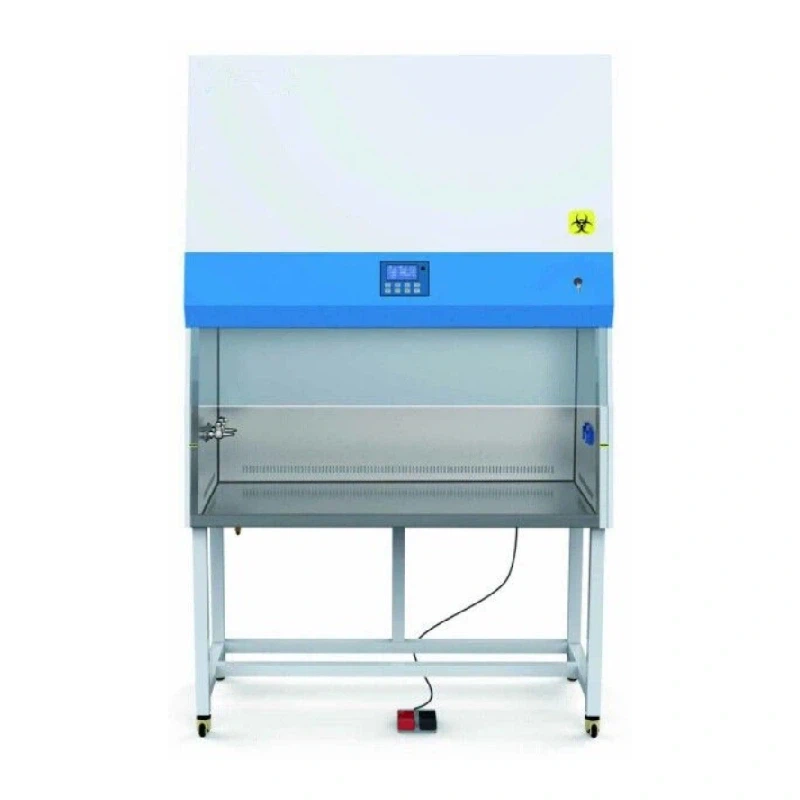


What is Class II Biosafety Cabinet?
Class II Biosafety Cabinet (BSC) is a ventilated containment device designed to provide both personnel and environmental protection from hazardous biological agents, while also maintaining product sterility. It operates by drawing air through a HEPA filter, creating a downward laminar airflow to safeguard the work area, and then filtering exhaust air to prevent contamination.
Five Types of Class II Biosafety Cabinets
Type A1
Similar to Type A2 but with lower inflow velocity (75 fpm). Mostly phased out in favor of Type A2 in modern labs.
01
Type A2
Recirculates 70% of the air back into the lab and exhausts 30% after HEPA filtration. Suitable for low-to-moderate risk agents (BSL-1, BSL-2).
02
Type B1
Maintains a higher level of containment, exhausting 70% of the air outside (hard-ducted) while recirculating 30%. Used for chemical vapors or toxic materials in addition to biological hazards.
03
Type B2
100% total exhaust (no recirculation), making it ideal for work with volatile chemicals and high-risk biological agents (BSL-2, BSL-3).
04
Type C1
A hybrid design allowing both recirculation (like Type A2) and full exhaust (like Type B2), providing flexibility for different applications.
05
How does the Class II Biosafety Cabinet work?
Here’s a simplified breakdown:
- Inflow: Air is drawn into the front grille, creating a barrier that prevents hazardous particles from escaping.
- Downward HEPA-filtered airflow: Clean, sterile air flows vertically from the top of the cabinet, shielding the work area from contamination.
- Exhaust: Contaminated air is either recirculated (after HEPA filtration) or safely expelled outside, depending on the BSC type.
Comparison with Other Classes BSC
| Class |
Personnel Protection |
Environmental Protection |
Product Protection |
|---|---|---|---|
| Yes | Yes | No | |
| Yes | Yes | Yes | |
| Yes | Yes | Yes |
Class II Biosafety Cabinet FAQs
Do all Class II BSCs require external exhaust systems?
No. Only Type B1/B2 cabinets require hard-ducting to exhaust air outside. Type A2/C1 recirculate filtered air back into the lab.
Are Class II BSCs safe for work with volatile chemicals?
Only Type B2 (100% exhaust) or Type C1 (in exhaust mode) are suitable for volatile chemicals. Type A2/B1 are not recommended due to air recirculation.
What is the lifespan of a Class II BSC?
With proper maintenance and filter replacements, Class II BSCs can last 10–15 years. HEPA filters typically require replacement every 3–5 years.
How do I choose the right Class II BSC type?
Type A2: General lab work (no volatile chemicals).
Type B1/B2: For toxic chemicals or higher-risk agents.
Type C1: Flexibility for mixed applications.
As one of the most professional biosafety cabinet class ii manufacturers and suppliers in China, we're featured by quality products and low price. Please rest assured to buy high-grade biosafety cabinet class ii from our factory. Contact us for price list
