
Lab ceramic countertops are gaining popularity in modern laboratories due to their durability, chemical resistance, and sleek appearance. As a widely used lab bench material, ceramic worktops combine functionality with aesthetics, making them a preferred choice for research labs, chemical laboratories, and industrial testing facilities. However, like any laboratory countertop material, they have strengths and weaknesses worth considering before installation - especially when comparing acid-resistant ceramic lab worktops against alternatives like phenolic resin or epoxy resin.
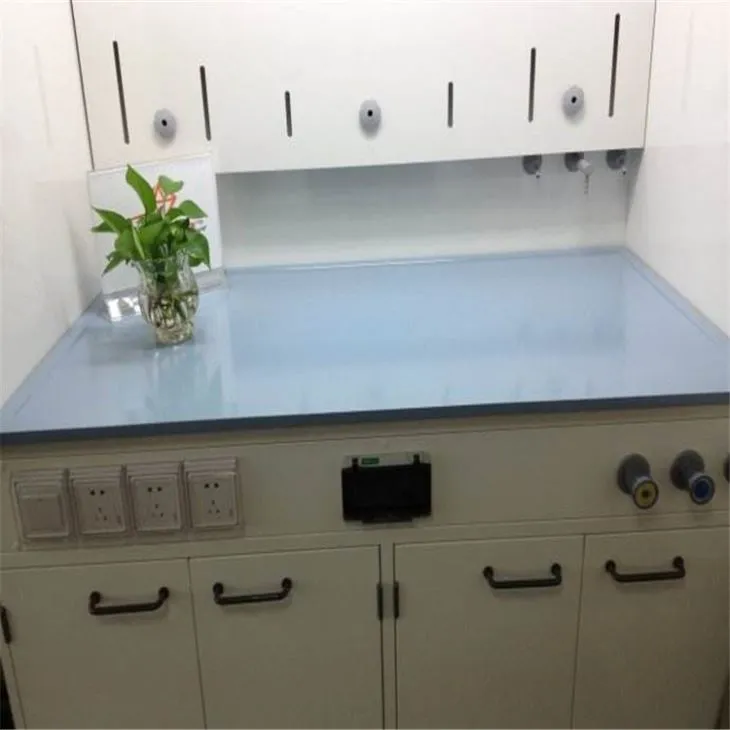
Advantages of Lab Ceramic Countertop
1. Exceptional Durability
Lab ceramic countertops resist scratches, cracks, and impacts better than many traditional materials. Their hardened surface ensures long-term use even in high-traffic labs, reducing replacement costs - a key factor for facility managers evaluating total cost of ownership over the countertop's service life.
2. Heat and Chemical Resistance
These countertops handle extreme temperatures and harsh chemicals without damage. Unlike laminate or wood, ceramic surfaces won't warp or degrade when exposed to acids, solvents, or heat, making them a practical choice for labs running frequent chemical testing or high-temperature procedures.
3. Easy Maintenance
A simple wipe with a mild cleaner keeps lab ceramic countertops spotless. Their non-porous nature prevents stains and bacterial growth, ensuring a hygienic workspace - an important consideration for pharmaceutical, biological, and food safety laboratories where cleanliness standards are strict.
Disadvantages of Lab Ceramic Countertop
1. High Initial Cost
While durable, ceramic countertops are more expensive upfront compared to laminate or stainless steel. Budget-conscious labs may find this prohibitive.
2. Heavyweight
Their dense structure makes installation challenging. Reinforced cabinetry may be needed to support the weight, adding to overall expenses.
3. Brittleness Under Extreme Force
Despite toughness, ceramic surfaces can chip if struck with heavy objects. Repairs often require professional help, increasing long-term maintenance efforts.
Ceramic vs. Phenolic Resin Lab Countertops
- Lab ceramic countertops are more durable than phenolic resin: While phenolic resin lab surfaces can wear down over time, ceramic maintains its structural integrity even under heavy daily lab use.
- Lab ceramic offers superior chemical resistance compared to phenolic resin: Harsh lab chemicals that might degrade phenolic resin surfaces have minimal effect on non-porous ceramic countertops.
- Lab ceramic handles extreme heat better than phenolic resin: Where phenolic resin lab surfaces might warp under high temperatures, ceramic remains completely stable for hot lab equipment.

Ceramic vs. Epoxy Resin Lab Countertops
- Lab ceramic is more scratch-resistant than epoxy resin: Sharp lab tools can leave visible marks on epoxy surfaces, while ceramic maintains its smooth finish even with heavy use.
- Lab ceramic provides better long-term stain resistance than epoxy resin: Unlike epoxy which may require resealing, ceramic's non-porous surface naturally resists stains from lab spills and chemicals.
- Lab ceramic offers superior heat resistance compared to epoxy resin: High-temperature lab applications that might damage epoxy surfaces pose no risk to ceramic countertops.

Which Lab Countertop Material Should You Choose?
For labs prioritizing chemical safety, hygiene, and long-term performance - such as pharmaceutical R&D, chemical analysis, and biotech facilities - ceramic worktops are typically the better investment despite the higher upfront cost. Labs with tighter budgets or lower exposure to extreme chemicals and heat may find phenolic resin or epoxy resin sufficient. We recommend consulting with a lab furniture specialist to assess your daily workflow, chemical usage, and equipment load before finalizing your countertop material.
Conclusion
Ceramic consistently outperforms both phenolic resin and epoxy resin in durability, chemical resistance, and heat tolerance. While its higher initial cost and installation requirements may be considerations, ceramic remains the superior long-term investment for laboratories prioritizing performance and low maintenance.
FAQs About Lab Ceramic Countertops
Do ceramic countertops interfere with sensitive lab equipment?
-
No, their non-conductive nature makes them safe for electronic devices, unlike metal surfaces.
Is ceramic resistant to UV light in labs with sunlight exposure?
-
Yes, it won't fade or degrade, unlike some polymers used in lab furniture.
Can ceramic countertops be repaired if chipped?
-
Small chips can be filled with epoxy, but large damages often need panel replacement for seamless results.
How long do lab ceramic countertops typically last?
-
With proper care, ceramic lab worktops can last 15–20 years or longer, outlasting most laminate and resin alternatives.
Are lab ceramic countertops suitable for small laboratories or startups?
-
Yes, though the higher upfront cost may be a factor - many smaller labs choose ceramic for high-use workstations and phenolic or epoxy for lower-traffic areas to balance budget and performance.