
The laboratory fume hood is core laboratory equipment. In a scientific lab, good ventilation helps keep the environment clean, supports stable experimental conditions, and protects operators. That is why laboratory fume hood usage deserves attention from day one.
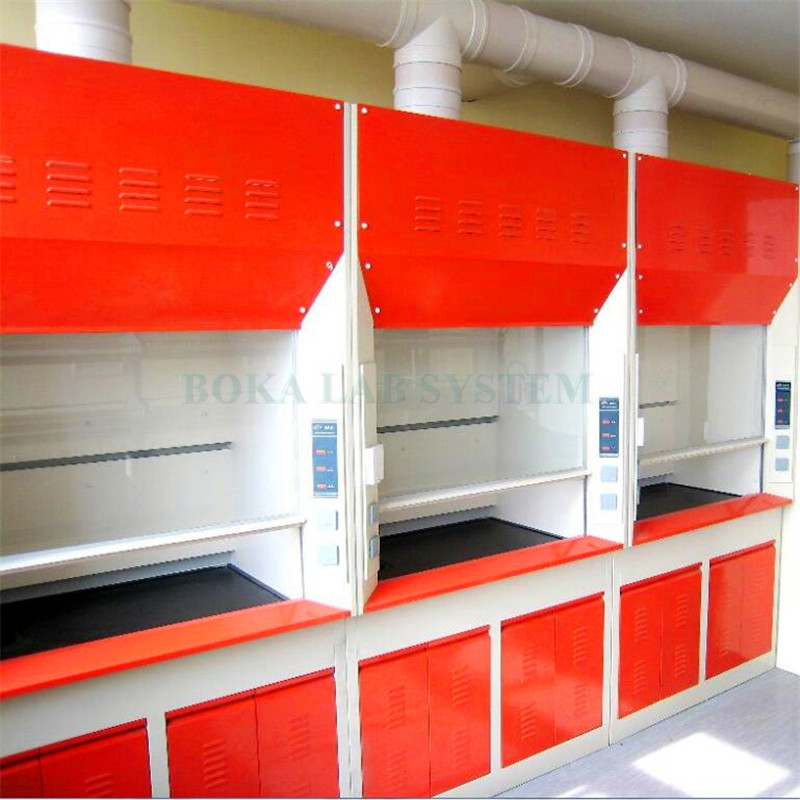
Key Guidelines for Using a Laboratory Fume Hood
1. Keep the room temperature within a suitable range.
Indoor air temperature should generally stay between -5 ℃ and +40 ℃, with a 24-hour a verage that does not exceed +25 ℃. In most cases, temperatures outside this range tend to affect both equipment performance and operator comfort.
2. Ventilate the hood regularly, even when the lab is idle.
If a laboratory is not in use for an extended period (in some cases up to three years), the fume hood should still be ventilated at regular intervals. This helps protect the health of future test staff and keeps the system in working condition.
3. Control the fan from one point when several hoods share it.
When two or more fume hoods share one fan, only one operator should switch the fan on and off. This helps avoid operating errors. If one hood is temporarily out of use, close its vent with the air flow control valve instead of shutting down the fan.
Repeated on/off switching tends to shorten fan life. It can also make airflow unstable and affect the accuracy of experiments.
4. Limit foot traffic around the hood.
While a fume hood is running, avoid frequent movement in front of it. Walking past can create counter-current airflow that disturbs the hood's air pattern. In practice, a clear working zone and a quiet access route generally help.
5. Provide make-up air during long operation.
For every 2 hours of use, supply fresh air for about 10 minutes, for example by opening windows. If the hood runs for more than 5 hours, open the windows to avoid negative indoor pressure. A room under negative pressure can reduce capture efficiency and make doors harder to open.
Practical Notes from Lab Operation
In most labs, the issues above rarely come from the hood itself. They tend to come from room layout, shared exhaust systems, and unclear operating rules. A few habits generally help:
- Post a simple operating checklist beside each hood.
- Assign one person to manage fan control in shared systems.
- Schedule periodic checks of airflow and make-up air.
What to Consider When Choosing a Laboratory Fume Hood
If you are planning a new lab or upgrading an existing one, ventilation design deserves as much attention as the hood model. Before purchasing, it usually helps to confirm:
Application: the chemicals, heat load, and procedures involved.
Exhaust configuration: one fan per hood or a shared system, and how airflow will be balanced.
Make-up air: how fresh air will be supplied to avoid negative pressure.
Materials and compliance: worksurface and liner materials suited to your chemicals, and the standards your region requires.
Service and support: installation guidance, testing, and after-sales maintenance.
Matching these factors to your actual workflow generally reduces rework and long-term operating cost.
FAQ
What temperature range is suitable for using a laboratory fume hood?
-
Indoor air temperature should generally stay between -5 ℃ and +40 ℃, with a 24-hour average not exceeding +25 ℃.
Should a fume hood be ventilated when the lab is not in use?
-
Yes. If the lab is idle for a long period, the hood should still be ventilated regularly to protect staff health and keep the system in working condition.
Why should only one person control the fan when several hoods share it?
-
A single operator helps avoid operating errors. Repeated on/off switching can shorten fan life and make experimental results less accurate. Unused hoods can be closed with the air flow control valve.
How often does a fume hood need make-up air?
-
Generally, supply fresh air for about 10 minutes after every 2 hours of use. If the hood runs for more than 5 hours, open the windows to avoid negative indoor pressure.
What should buyers check before purchasing a laboratory fume hood?
-
Review the application, exhaust configuration, make-up air plan, materials, compliance requirements, and the supplier's installation and after-sales support.
Need Help Selecting a Laboratory Fume Hood?
If you are comparing options or reviewing your lab's ventilation plan, the BOKA team can help you assess requirements and suggest a suitable configuration. Contact us with your lab size, application, and exhaust conditions, and we will respond with practical recommendations.