
Gene editing is the targeted modification of DNA at a specific location in a genome, such as deleting, inserting or replacing a sequence.
In most modern workflows, three mechanisms do the work:
- Targeting. A programmable molecule, typically a guide RNA, directs the editing enzyme to a matching DNA sequence.
- Cutting or modifying. A nuclease such as Cas9 generally creates a break at the target site. Newer tools (base and prime editors) modify DNA without a full double-strand break.
- Cellular repair. The cell repairs the change. Error-prone repair (NHEJ) tends to disrupt a gene. Template-guided repair (HDR) can insert a defined sequence.
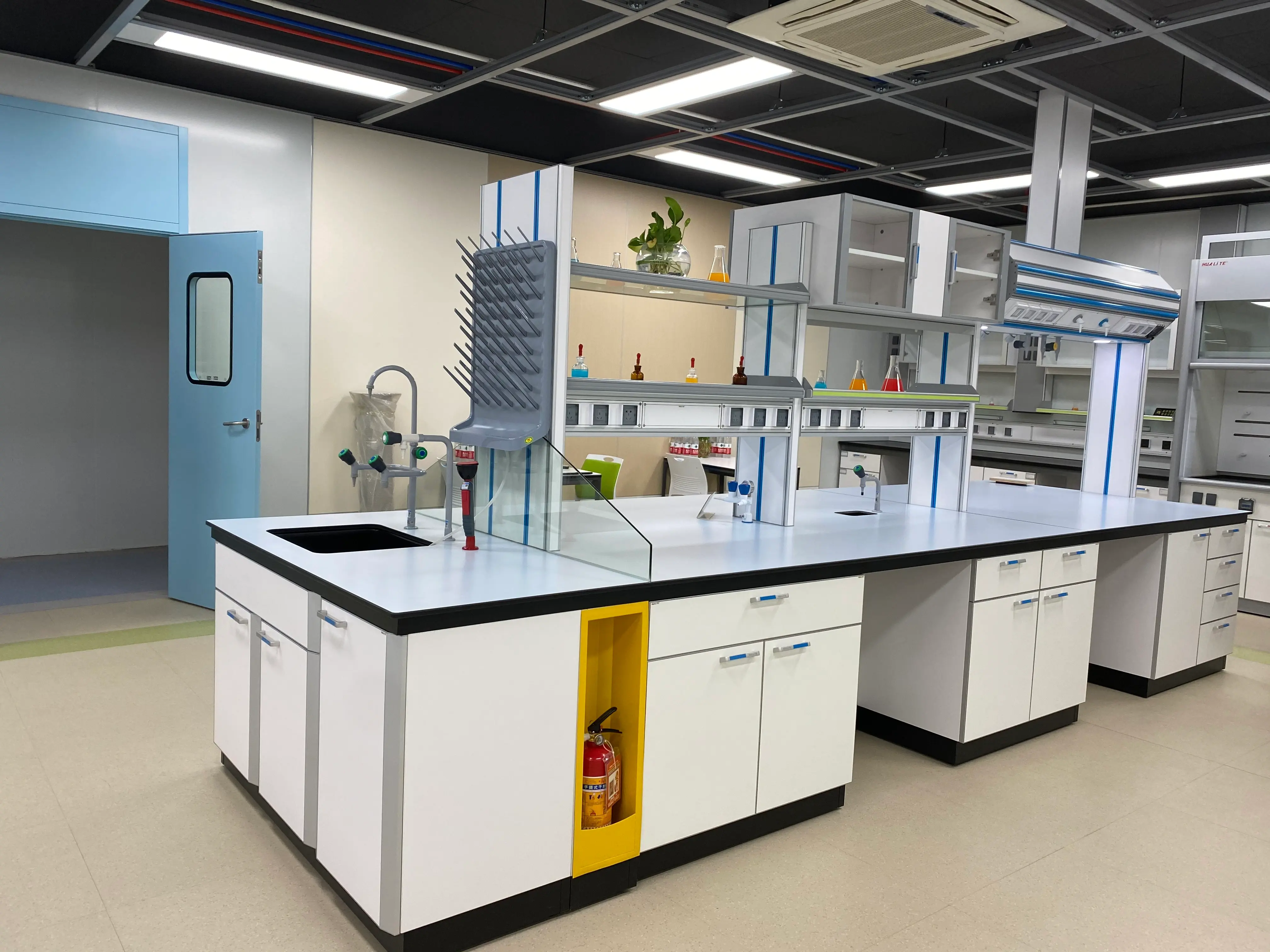
Traditional Methods vs. Gene Editing
| Factor | Traditional approaches (breeding, random mutagenesis, classical transgenics) | Programmable gene editing |
| Precision | Low; changes are often random or hard to locate | Generally high, though off-target effects must be assessed |
| Timeline | Months to years | Often weeks to months, depending on the model |
| Design effort | Screening-heavy | Design-heavy up front, less screening later |
| Lab requirements | Broad, general-purpose | Tends to need controlled cell-culture and molecular workflows |
| Regulatory attention | Varies | Varies by jurisdiction and application; institutional biosafety review is common |
Rule of thumb for decisions:
- If your goal is a specific, defined genetic change, programmable editing is generally the better fit.
- If you need broad, unbiased variation and can afford screening, traditional mutagenesis may still make sense.
- If your team will run editing more than occasionally, plan the room around the workflow rather than adapting it later.
Core Technical Components
Programmable nuclease. CRISPR-associated enzymes (Cas9, Cas12 variants) are the most common. Older tools such as ZFNs and TALENs are typically harder to re-target, because each new target usually requires a newly engineered protein.
Guide RNA (gRNA). This short RNA defines where the editor acts. Design quality strongly affects both efficiency and off-target risk.
Repair pathway and template. The outcome depends on how the cell repairs the break. A donor template is generally required for precise insertions.
Delivery method. Options include electroporation, lipid nanoparticles, viral vectors and direct ribonucleoprotein (RNP) delivery. The choice usually depends on cell type, scale and safety requirements. It also shapes bench space, waste handling and containment needs.
How This Connects to BOKA Laboratory Solutions
Gene editing itself is a biology decision. Whether it runs reliably is partly an infrastructure decision. BOKA does not supply editing reagents. We design and build the laboratory environment around the workflow.
In most editing labs, the integration points look like this:
Laboratory benches. Chemical-resistant, easy-to-clean surfaces support routine cell-culture and molecular work. Layouts can separate pre- and post-amplification steps to reduce cross-contamination.
Ventilation and purification systems. Controlled airflow and air purification help maintain a stable working environment. Requirements depend on your risk assessment.
Fume hoods. Needed when workflows involve hazardous chemicals, such as during extraction or buffer preparation.
Central stations and side tables. These support flexible, shared workspaces and equipment such as centrifuges and thermal cyclers.
Ceiling service pillars and gas bottle cabinets. They provide organized access to power, data and gas services (for example CO₂ for incubators) with less clutter at bench level.
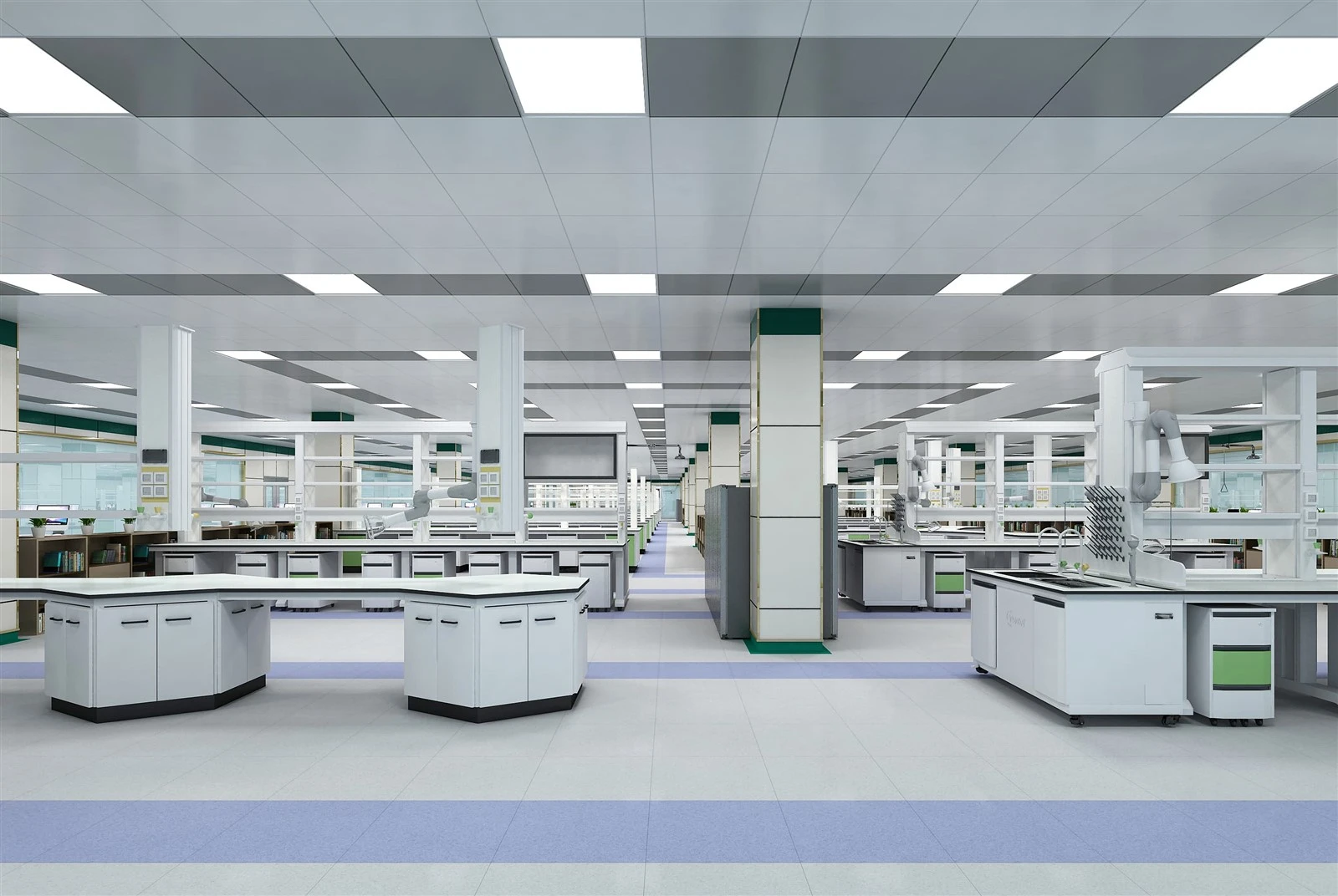
Biosafety cabinets, containment levels and certifications generally follow your institution's biosafety review. We typically plan the room layout, utilities and airflow around those requirements at the design stage.
Where This Fits, and Where It Doesn't
Generally a good fit:
- Academic or institutional research labs building cell-line or model-organism editing capability
- Biotech start-ups setting up their first molecular biology and cell-culture suites
- Core facilities that support multiple editing projects with shared equipment
- Teaching labs introducing genome-engineering techniques
- Existing labs expanding into editing that need a zoned layout with better airflow and utility access
Generally not a fit:
- Teams looking for editing reagents, enzymes or synthesis services. BOKA does not supply those.
- Projects that require a specific certified containment level without a completed institutional risk assessment. That assessment usually needs to come first.
- One-off experiments that can run through a contract research organization, where a dedicated space is hard to justify.
FAQ
Is gene editing the same as genetic engineering?
Not exactly. Genetic engineering is the broader term. Gene editing usually refers to precise, targeted changes at a defined site.
Is CRISPR the only gene-editing method?
No. ZFNs and TALENs also exist. CRISPR tends to be preferred for its flexibility and lower design cost.
Does gene editing need a special lab?
In most cases it needs controlled cell-culture and molecular workflows rather than one specific room type. Requirements depend on the organism, vectors and local regulations.
Can BOKA help plan a lab for this work?
Yes, for layout, benches, ventilation, purification and utilities. Biological protocols and biosafety approval remain with your institution.
Planning a lab for gene-editing work? Share your workflow and space constraints with the BOKA team. We can review the layout, airflow and utility requirements with you before construction starts.