
If you've ever worked in a modern laboratory, you've likely heard the acronym LIMS thrown around in conversations about efficiency, compliance, and data accuracy. But what exactly is a Laboratory Information Management System (LIMS), and why has it become indispensable for laboratories across industries?
What Is a Laboratory Information Management System (LIMS)?
A Laboratory Information Management System (LIMS) is a software platform designed to manage, track, and organize the data generated in a laboratory environment. From sample tracking and workflow automation to regulatory compliance and report generation, LIMS acts as the central nervous system of any data-driven lab operation.
At its core, a LIMS connects people, instruments, and processes - ensuring that every data point is captured, stored, and accessible when needed. Whether you're running a clinical diagnostics lab, a pharmaceutical research facility, or an environmental testing center, LIMS software can dramatically improve how your laboratory operates, and, in our experience working with labs across these sectors, it's often the single system that determines whether an audit goes smoothly or not.
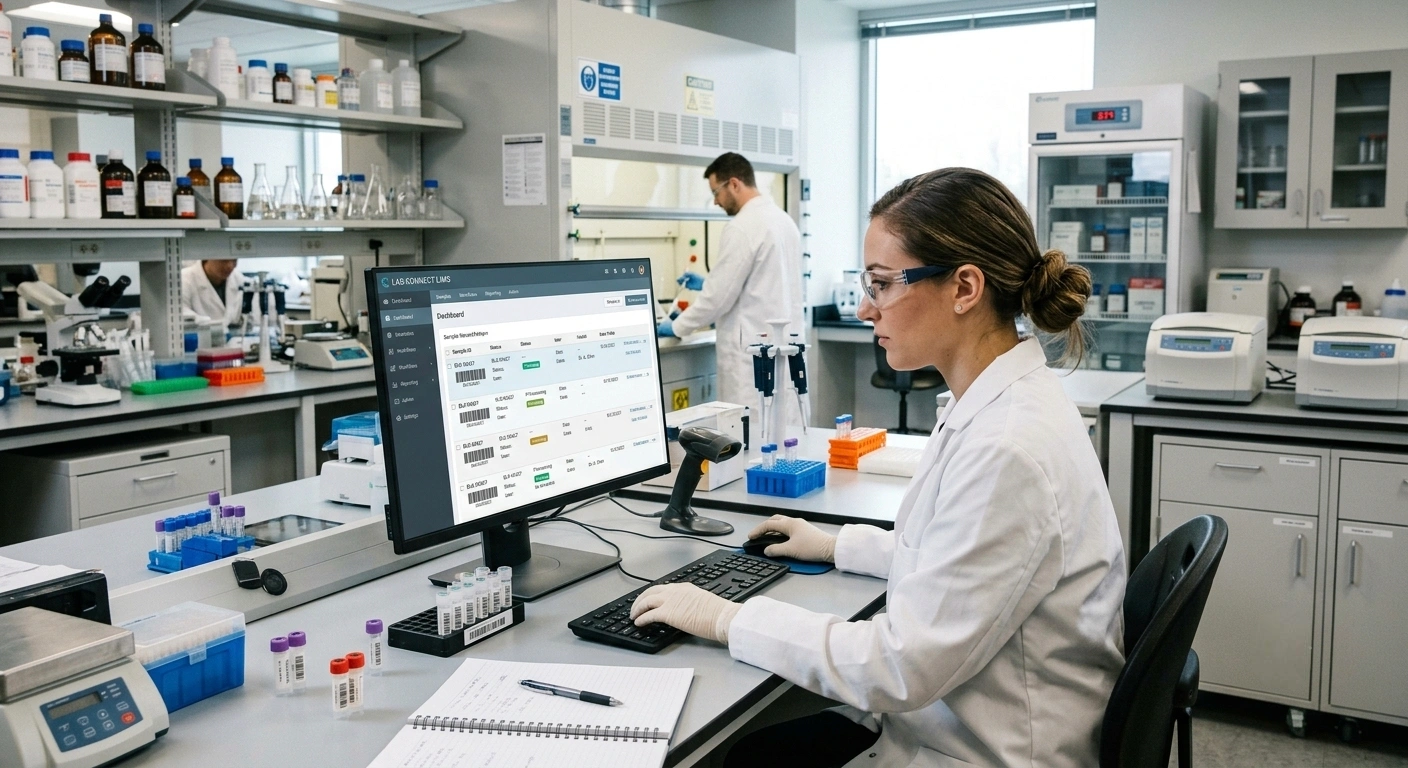
Key Features of a Modern LIMS Software System
A high-quality LIMS typically includes the following capabilities:
Sample Management
Track samples from receipt through storage, testing, and disposal with full chain-of-custody documentation.
Instrument Integration
Connect directly with laboratory instruments to capture results automatically and reduce transcription errors.
Data Integrity & Audit Trails
Maintain complete, tamper-proof records of every action - critical for regulatory audits.
Regulatory Compliance
Meet requirements from standards such as ISO 17025, FDA 21 CFR Part 11, GLP, and GMP.
Workflow Automation
Eliminate manual, repetitive tasks by automating test scheduling, result routing, and notifications.
Reporting & Analytics
Generate real-time reports and dashboards that support data-driven decision-making.
Why Does Your Laboratory Need a LIMS System?
Many laboratories still rely on paper records or disconnected spreadsheets - a workflow that creates costly errors, duplicated effort, and compliance risks. A laboratory information management system addresses these pain points directly.
Improved Accuracy:
By reducing manual data entry, a LIMS minimizes transcription errors that can lead to incorrect results or failed audits.
Faster Turnaround Times:
Automated workflows mean samples move through the testing pipeline more quickly, improving throughput and client satisfaction.
Regulatory Readiness:
Auditors expect detailed, time-stamped records. A LIMS ensures your documentation is always complete and retrievable - which, from a practical standpoint, is one of the fastest ways to shorten audit preparation time.
Cost Savings:
Fewer errors, less rework, and optimized resource allocation translate directly to lower operational costs over time.
Who Uses LIMS? Industries and Applications
LIMS solutions are used across a wide range of industries, including:

Pharmaceutical & Biotech
For drug development, QC testing, and clinical trials
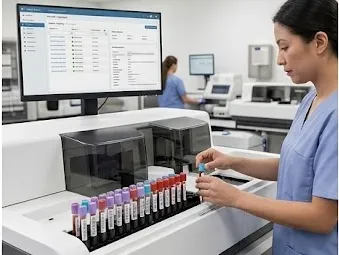
Clinical & Medical Diagnostics
For patient sample tracking and result reporting
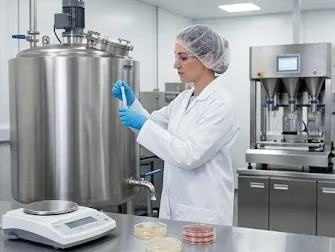
Food & Beverage
For safety testing and quality assurance

Environmental Testing
For water, soil, and air quality monitoring
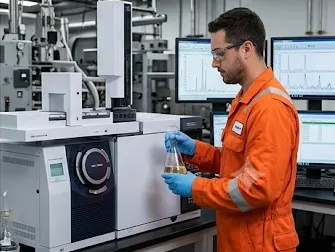
Oil & Gas / Chemical
For material analysis and product compliance
Frequently Asked Questions
What does LIMS stand for?
-
LIMS stands for Laboratory Information Management System, a software platform used to manage lab samples, data, and workflows.
What industries use LIMS software?
-
LIMS is widely used in pharmaceutical, clinical diagnostics, food and beverage, environmental testing, and oil and gas/chemical industries.
How does a LIMS help with regulatory compliance?
-
A LIMS maintains tamper-proof audit trails and time-stamped records, helping labs meet standards like ISO 17025, FDA 21 CFR Part 11, GLP, and GMP.
Is LIMS only for large laboratories?
-
No. While large labs benefit from full automation, smaller QC labs can adopt LIMS with core sample tracking and reporting modules scaled to their needs.
How do I choose the right LIMS for my lab?
-
Base your choice on regulatory requirements, sample volume, instrument integration needs, and whether you require single-site or multi-site functionality.
Final Thoughts: Building a Compliant, Data-Driven Lab
A LIMS is no longer a luxury - it is a foundational investment for any laboratory serious about laboratory data management and regulatory compliance. That said, software is only part of the equation. The physical environment matters just as much: proper fume hoods, reliable medical refrigerators, and well-organized lab storage cabinets all contribute to the accuracy and traceability that a good LIMS depends on. In our experience, labs that pair a solid LIMS with properly specified furniture and storage equipment see fewer compliance gaps during inspections.
Looking to build or upgrade your laboratory? Contact us today for expert advice and a customized solution - explore our full range of lab equipment and furniture, built to support compliant, high-performance lab operations. Request a quote to get started.