
Walk into most organic chemistry labs - whether it's a university teaching facility, an industrial synthesis floor, or a quality control lab at a chemical plant - and you'll usually spot the same problem within five minutes. It's not the reagents. It's not the SOPs on the wall. It's the furniture holding everything together. Or more accurately, the furniture that's slowly falling apart under conditions it was never designed to handle.
So before the next audit, the next near-miss, or the next corrosion-related equipment write-off, it's worth asking: is your lab infrastructure actually built for organic chemistry work?
The Real Pain Points Nobody Budgets For
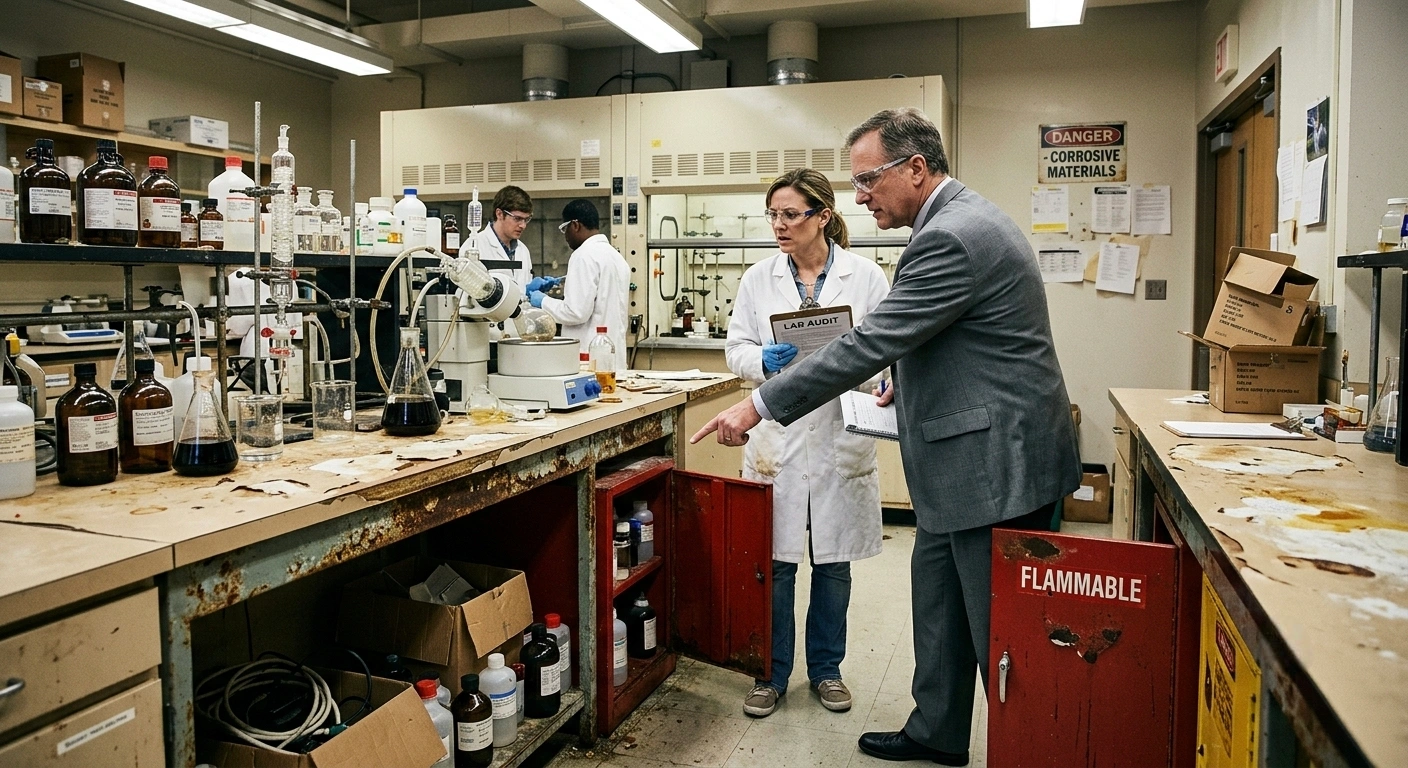
Organic chemistry is hard on everything it touches. You're dealing with volatile solvents like acetone, ethanol, and dichloromethane on a daily basis. You're running reactions that generate acid vapors, caustic fumes, and occasionally, a lot of heat. The chemical environment inside an organic lab is genuinely aggressive - and most standard lab furniture simply isn't rated for it.
Corrosion is the slow killer
Metal-frame benches without proper chemical-resistant coating start oxidizing the moment solvent spills become routine. Laminate work surfaces bubble and delaminate from prolonged contact with organic solvents. Once a bench surface degrades, it becomes a contamination risk, not just an eyesore. Lab managers often don't notice the damage until it's embedded into their supply budget.
Fume exposure is underestimated
Many labs rely on a single fume hood positioned on one wall, then expect staff to carry open reagents across the room to use it. The real exposure happens in transit - and in labs where ventilation hasn't been designed into the furniture layout from the start. A well-integrated fume hood isn't just a box with a sash; it needs proper airflow clearance, a chemically resistant interior liner, and placement that matches actual workflow, not just available wall space.
Reagent storage is chronically disorganized
Organic labs accumulate flammables, oxidizers, and corrosives under benches, on open shelving, and inside general-purpose cabinets that offer zero segregation. This isn't negligence - it's usually a storage system that was never purpose-built for chemical segregation in the first place. When flammables sit next to oxidizers because there's nowhere else to put them, that's a furniture layout problem, not a personnel problem.
What Purpose-Built Lab Furniture Actually Changes
The fix isn't complicated, but it does require treating lab furniture as functional safety infrastructure rather than just physical workspace.

Lab benches for organic chemistry should have epoxy resin or phenolic resin work surfaces - both resist chemical attack, heat, and moisture far better than standard laminate. Frames need powder-coated or stainless construction, and the under-bench space should be designed with ventilation in mind, not retrofitted as storage.
Fume hoods need to be matched to the volume and type of chemistry being performed. A lab running solvent extractions daily has different airflow demands than one doing occasional acid digestions. Hood interiors lined with polypropylene or epoxy-coated steel handle chemical exposure without degrading - which matters both for longevity and for maintaining clean, uncontaminated air movement.
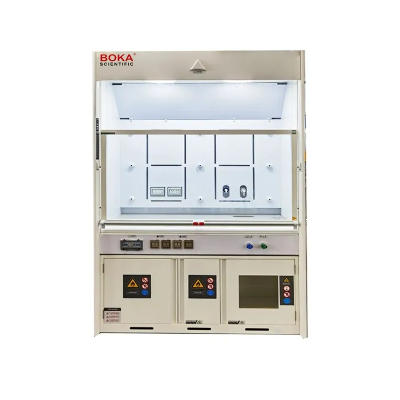

Dedicated chemical storage cabinets - not just lockable cupboards - with separate compartments for flammables, corrosives, and oxidizers change the risk profile of a lab dramatically. Self-closing hinges, ventilation ports, and spill-containment bases aren't nice-to-haves; they're what separates compliant storage from a liability.
The Bottom Line
Organic chemistry labs don't fail safety audits because of bad chemistry. They fail because the physical environment wasn't specified to support the chemistry being done. Getting that right starts before the first reagent is ever ordered - it starts with the furniture spec. And that's a conversation worth having early.