
The main reason for PCR laboratory design is to avoid cross-contamination and cross-infection between different laboratory zones. Therefore, the requirements for air supply, air exhaust, and pressure control are particularly important during PCR lab planning. So, how should a PCR lab be designed to meet biosafety and workflow standards? Next, we will walk you through the key principles of PCR laboratory design, including molecular biology lab layout, nucleic acid amplification lab planning, and clean room design for PCR testing.
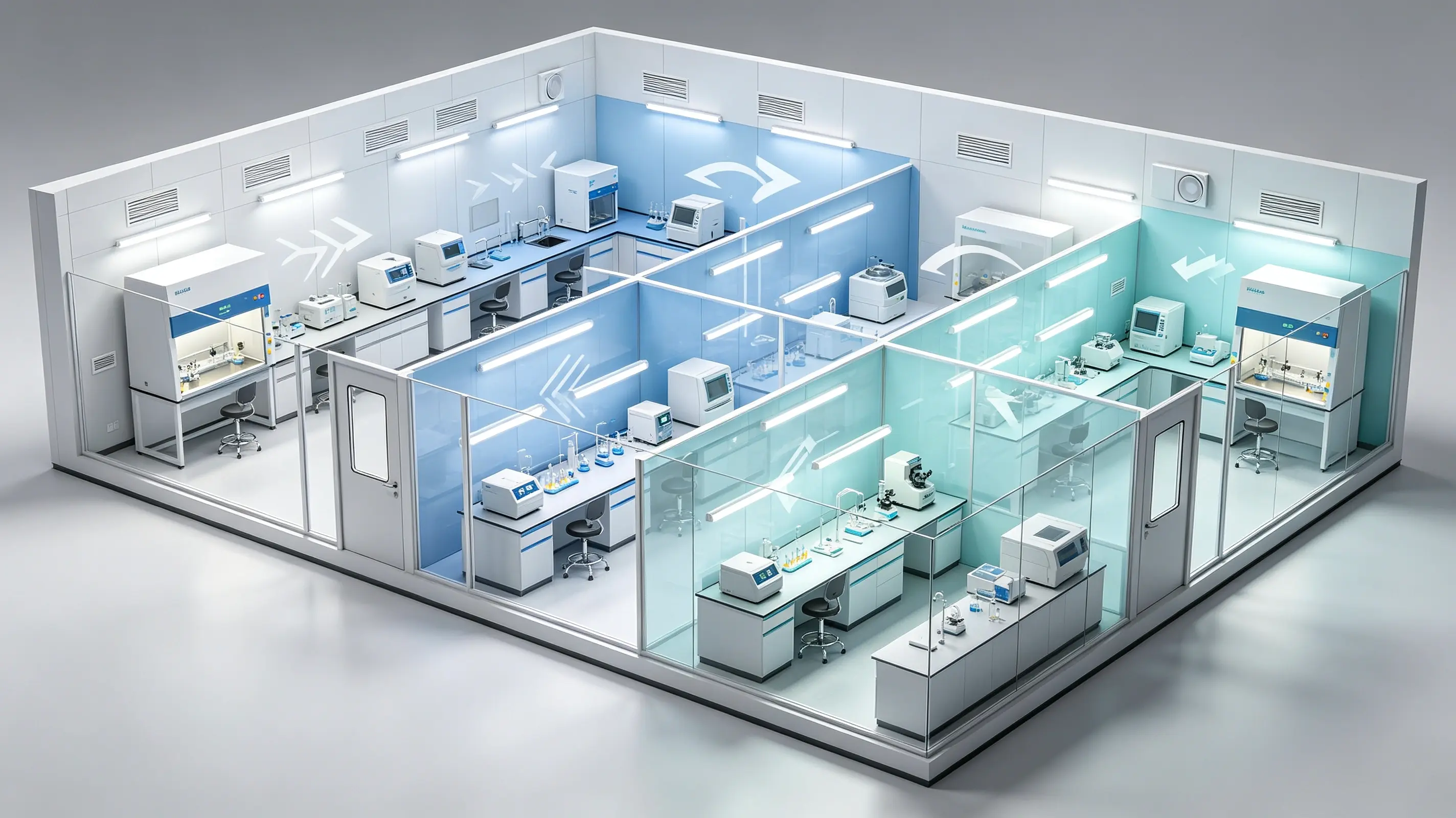
PCR Laboratory Functional Zones and Layout
The PCR laboratory can generally be divided into two major functional work areas: the pre-amplification region and the nucleic acid amplification region.
The pre-amplification area includes the reagent preparation room and the sample preparation room. These two rooms should be independent of each other, and air intercommunication must not occur between them. Both rooms are kept in a positive pressure state relative to the outside air pressure.
The post-amplification region includes the amplification area and the product analysis area, which can be combined into a single room when using a real-time fluorescence PCR instrument - for example, in a PCR laboratory equipped with an HIV viral load analyzer. If this region is divided into two separate rooms instead, those rooms must also remain independent of one another, with no air intercommunication. The post-amplification zone is kept under negative pressure relative to the outside air pressure. This pressure gradient design is one of the most critical details buyers should confirm with their lab design partner, since it directly determines whether amplified product can leak back and contaminate upstream samples.
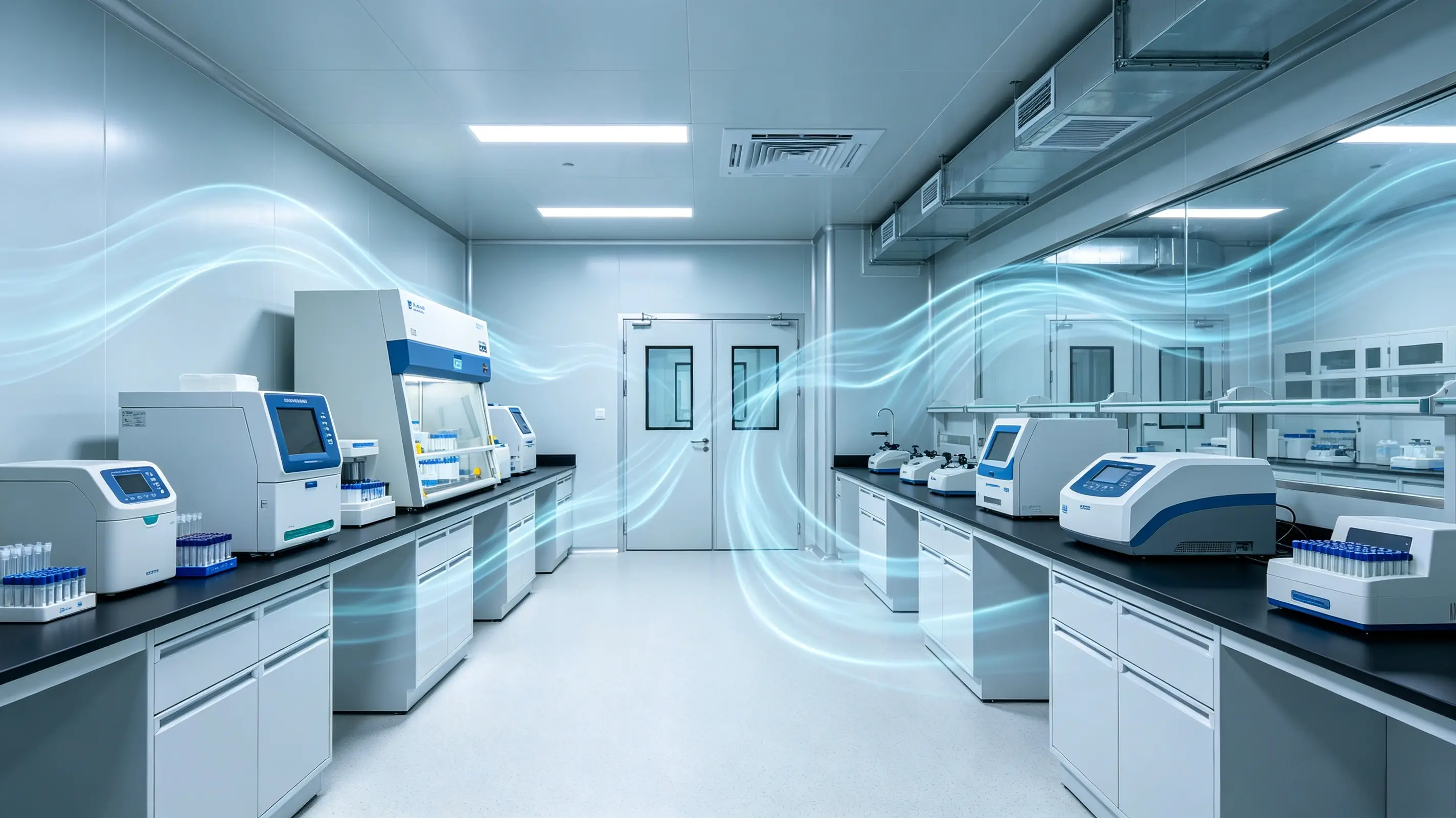
PCR Lab Zoning Based on Instrument and Workflow
The PCR laboratory sets its working areas according to the function of the instruments used. For a standard polymerase chain reaction workflow, four separate working areas are typically established: the reagent storage and preparation area, the sample preparation area, the amplification area, and the amplification product analysis area. This four-zone approach is the most commonly used partitioning method in conventional PCR lab design.
If samples require pulverization before testing, an additional sample crushing zone should be added. If real-time fluorescent PCR is used, the gene amplification zone and the gene product analysis zone can be combined into a single room, since there is no need to open the reaction tubes after amplification. When sample processing, nucleic acid extraction, and amplification detection are integrated into one automated PCR analyzer, the sample preparation area, amplification area, and product analysis area can be combined into a single workspace.
In practice, this means a PCR laboratory can, in principle, be configured with five, four, three, or two separate workspaces, depending on the instrumentation and testing volume. Laboratories running high sample throughput or handling multiple pathogen panels generally benefit from the more segmented, four- or five-zone layout, while smaller clinical or research labs with automated platforms can often operate efficiently with a two- or three-zone design.
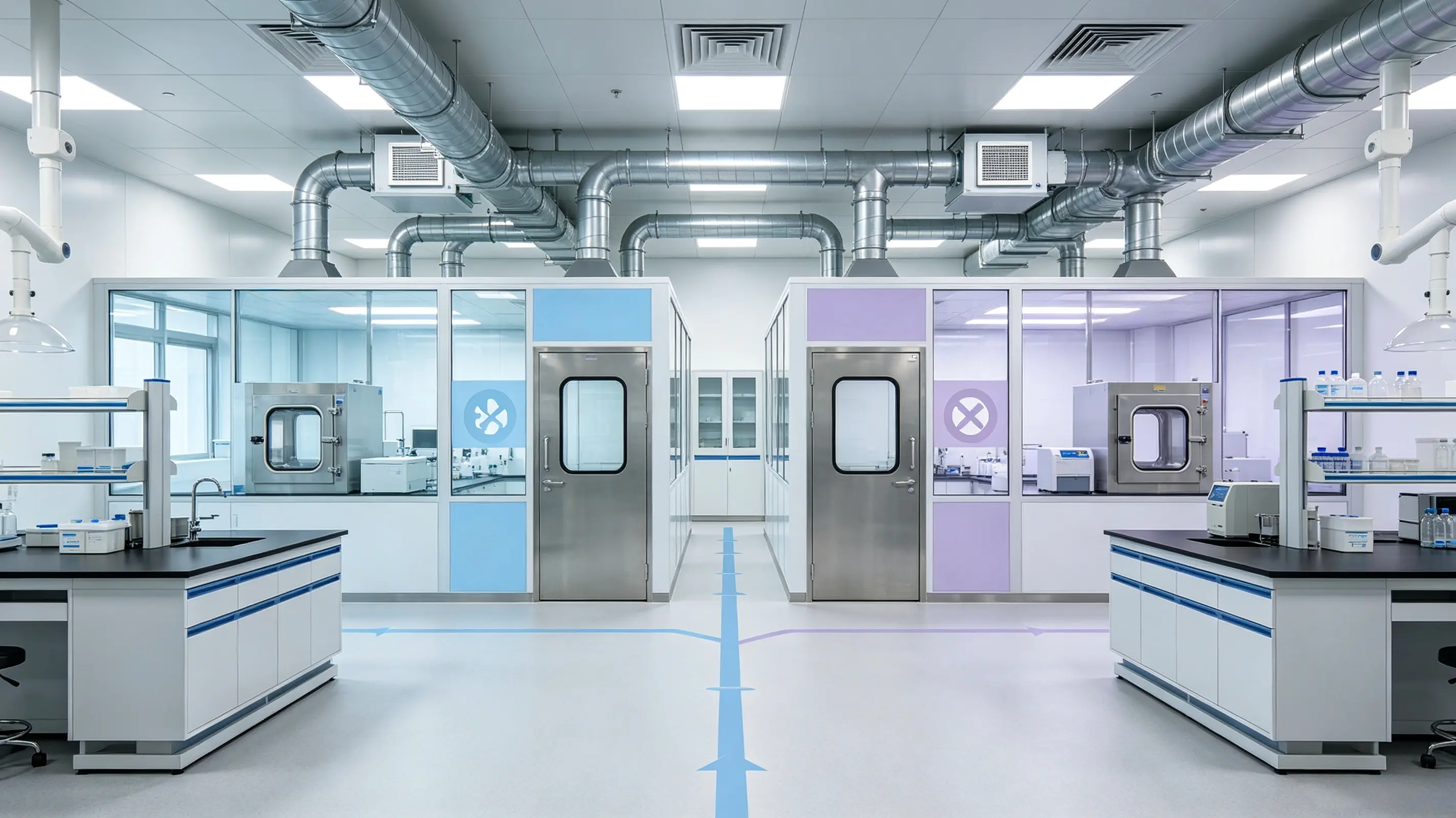
Essential PCR Laboratory Equipment
Laboratory equipment is also an indispensable part of PCR lab design. Different instruments and equipment should be selected according to the specific requirements of each laboratory, including: centrifuges, biological safety cabinets, ultra-clean workbenches, sample loading systems, electrophoresis units (slots), electrotransfer devices, hybridization boxes, water baths, DNA sequencers, microplate readers, and plate washers.
When selecting equipment for a new or renovated PCR lab, it's worth planning bench layout and utility points (power, gas, drainage) around the equipment list early, rather than after construction - retrofitting a lab for a biosafety cabinet or centrifuge after the fact is far more costly than designing for it upfront.
Why PCR Laboratory Design Matters
As a molecular biology technique, PCR can amplify trace DNA fragments and, combined with a DNA gene tracking system, detect viral content in the human body more quickly and accurately than many conventional methods. A well-designed PCR laboratory is therefore a reliable foundation for medical diagnostics, clinical testing, and public health surveillance, providing an advanced, fast, and efficient basis for medical decision-making.
Frequently Asked Questions
Why does a PCR laboratory need separate positive and negative pressure zones?
-
Positive pressure in the pre-amplification area keeps outside contaminants from entering, while negative pressure in the post-amplification area prevents amplified DNA from leaking out and contaminating samples elsewhere in the lab.
How many zones should a PCR laboratory have?
-
Depending on the instruments and workflow, a PCR lab can have two, three, four, or five zones - ranging from a fully separated reagent, sample, amplification, and analysis layout to a combined setup when using automated real-time PCR systems.
What equipment is essential in a PCR laboratory?
-
Core equipment typically includes centrifuges, biological safety cabinets, ultra-clean workbenches, electrophoresis systems, water baths, DNA sequencers, microplate readers, and plate washers, selected based on each lab's specific testing needs.
Who needs professional PCR lab design services?
-
Hospitals, CDC and public health laboratories, third-party testing institutions, and biotech or pharmaceutical companies setting up new nucleic acid testing facilities or renovating existing labs all benefit from professional PCR lab design.
Can a small lab use a simplified PCR laboratory layout?
-
Yes. Labs using automated, integrated PCR analyzers can combine sample preparation, amplification, and analysis into fewer zones, making a two- or three-zone layout practical for lower-throughput settings.
Choosing a PCR Lab Design and Construction Partner
For hospitals, CDC laboratories, third-party testing institutions, and biotech companies planning a new PCR facility or renovating an existing one, choosing an experienced lab design partner matters as much as the layout itself. Key factors to evaluate include:
Experience with biosafety pressure gradients and airflow validation
Ability to customize zoning based on sample volume and instrument type
Quality of laboratory furniture, fume hoods, and ventilation systems
Compliance support for local biosafety and CDC/CLIA-type requirements
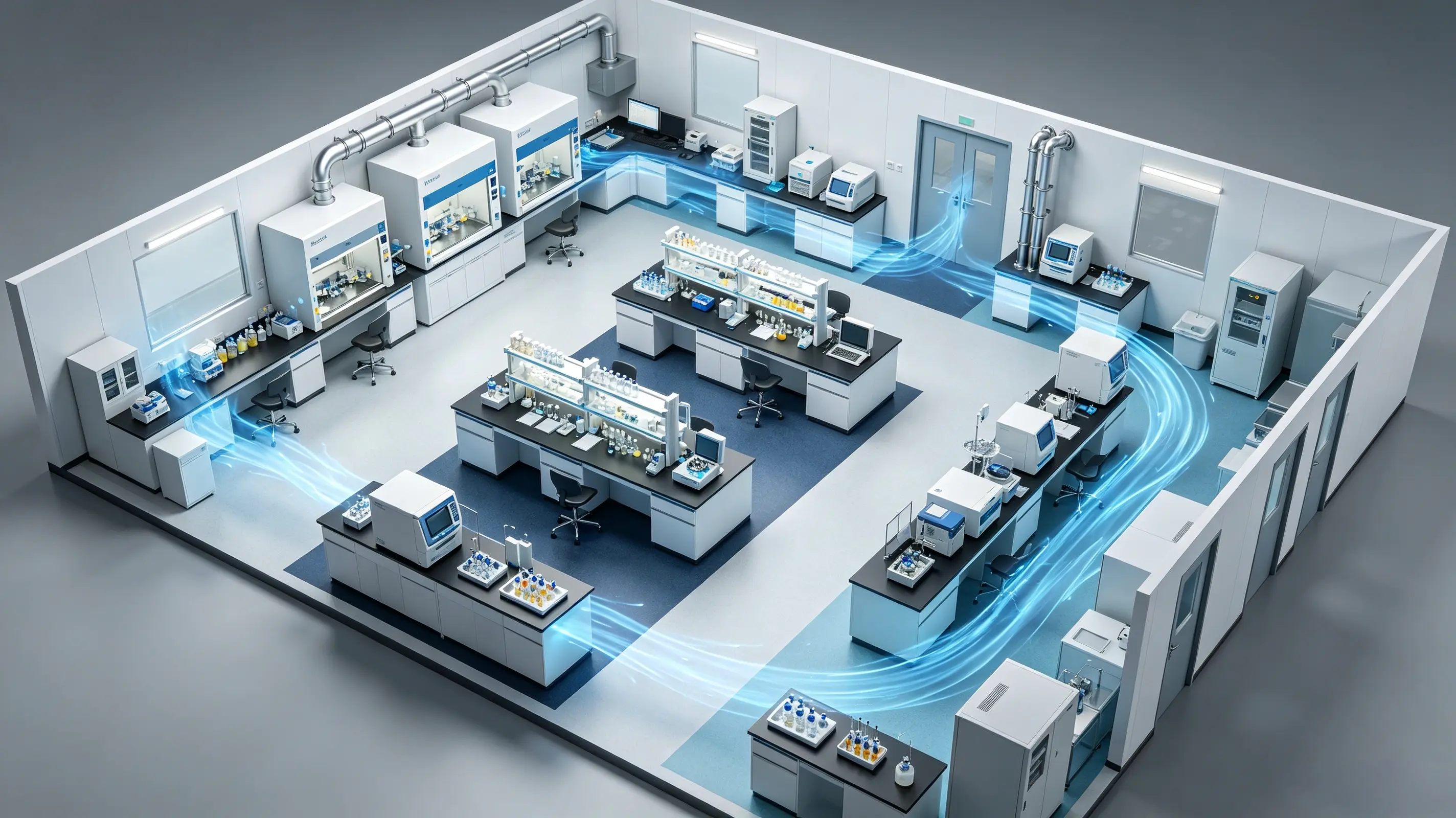
Our BOKA focuses on high-end custom laboratories, providing laboratory furniture, laboratory design, renovation, and ventilation modification services. We adhere to the business philosophy of "scientific and technological innovation, the pursuit of perfection" and "developing by quality, creating brand by service." We are committed to working together with our customers to advance globally and contribute to a better tomorrow for human health.
Planning a PCR laboratory or need to renovate an existing facility? Contact our team for a customized PCR lab design solution, or request a quote today to get expert advice tailored to your testing needs.