
At Boka, we provide a variety of countertop materials to suit diverse laboratory needs, including phenolic and epoxy resins.
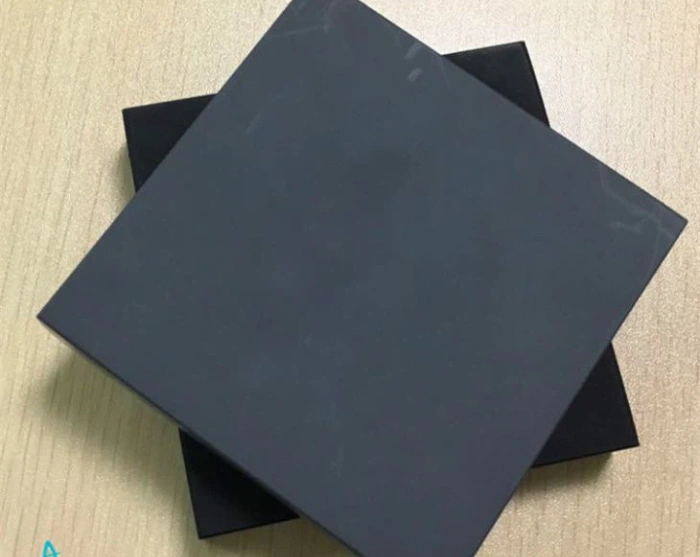
What Is a Phenolic Resin Countertops?
Phenolic Resin
Phenolic resin is a synthetic polymer produced by reacting phenol with formaldehyde. This process results in a durable thermosetting plastic known for its strength and resistance to various environmental factors.
Phenolic Resin Countertop
Phenolic resin countertops are crafted by layering kraft paper saturated with phenolic resin and curing them under high heat and pressure. This manufacturing method yields a non-porous, chemical-resistant surface suitable for laboratories requiring moderate heat and chemical resistance.
What Is an Epoxy Resin Countertops?
Epoxy Resin
Epoxy resin is a synthetic polymer formed by combining epoxide compounds with curing agents. The resulting material is known for its exceptional adhesion, chemical resistance, and durability.
Epoxy Resin Countertops
Epoxy resin countertops are made by pouring epoxy resin over a substrate, such as plywood, and curing it to create a seamless, glossy surface. These countertops offer superior chemical and heat resistance, making them ideal for laboratories with stringent requirements.
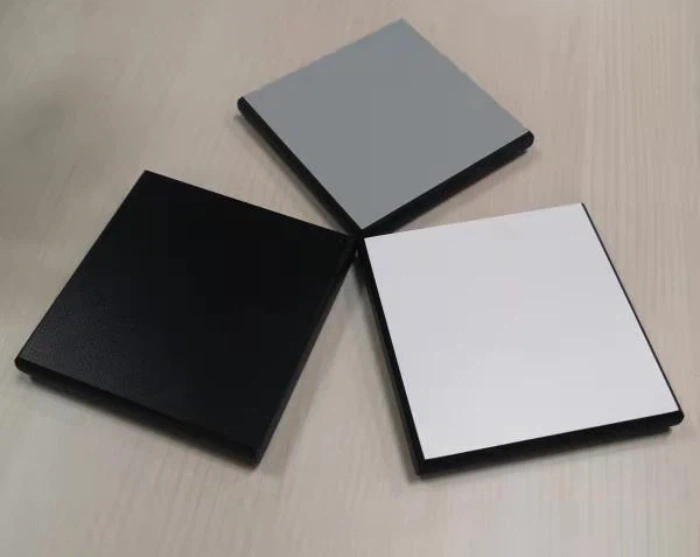
Phenolic Resin vs. Epoxy Resin Countertops: Key Comparisons
The following infographic presents a side-by-side comparison of the differences between phenolic resin and epoxy resin countertops.

Heat Resistance
Epoxy resin countertops can withstand higher temperatures, making them suitable for environments with frequent exposure to heat. Phenolic resin countertops are heat-resistant up to 350°F, which is adequate for many laboratory settings.
Chemical Resistance
Both materials offer chemical resistance, but epoxy resin countertops generally provide superior protection against a broader range of chemicals. Phenolic resin countertops offer moderate chemical resistance, suitable for labs with less aggressive chemical use.
Moisture Resistance
Both epoxy and phenolic resin countertops are non-porous, offering resistance to moisture and bacterial growth.
Durability and Maintenance
Epoxy resin countertops are known for their exceptional durability and resistance to heat and chemicals, making them ideal for laboratory and industrial settings. Phenolic resin countertops are durable and cost-effective, suitable for areas requiring frequent cleaning and moderate chemical resistance.
Cost
Phenolic resin countertops are generally more cost-effective, making them a budget-friendly option for laboratories not requiring the extreme performance of epoxy resin.
Weight
Epoxy resin countertops tend to be heavier, which may influence installation and support requirements. Phenolic resin countertops are lighter, facilitating easier handling and installation.
Customization
Both materials offer customization in terms of color and design. Epoxy resin countertops can achieve a glossy finish with various design possibilities, while phenolic resin countertops provide a range of colors and patterns suitable for different laboratory aesthetics.
Lead Time
Phenolic resin countertops often have shorter lead times due to simpler manufacturing processes, which is beneficial for projects on tight schedules.
UV Resistance
Epoxy resin countertops may be susceptible to UV degradation, leading to discoloration over time. Phenolic resin countertops are more resistant to UV exposure, maintaining their appearance longer.
Repairability
Epoxy resin countertops can be challenging to repair if damaged. Phenolic resin countertops are easier to repair, which can be advantageous in high-use environments.
Environmental Impact
Phenolic resin countertops are often considered more environmentally friendly due to their cost-effective manufacturing process, which may involve less energy consumption compared to epoxy resin production.
Conclusion
Epoxy resin countertops are suitable for labs requiring high chemical and heat resistance, despite higher costs and potential maintenance challenges. In contrast, phenolic resin countertops offer a cost-effective solution for laboratories with moderate requirements, providing a balance between performance and affordability.