
In any well-functioning classroom or laboratory, effective storage is never an afterthought - it's foundational. Classroom cabinets define how efficiently a space operates, how safely materials are managed, and how confidently educators can deliver instruction.
Whether you're outfitting a science lab, an art room, a vocational training center, or a standard K–12 classroom, the right cabinetry directly impacts workflow, compliance, and the overall learning experience. Yet classroom cabinets are often underestimated in facility planning discussions. This guide breaks down what you need to know.

What Are Classroom Cabinets?
Classroom cabinets are purpose-built storage units designed to organize and secure educational materials, equipment, and supplies within instructional settings. Unlike standard commercial furniture, they are engineered to withstand the demands of high-traffic environments - daily student contact, chemical exposure in labs, moisture in science rooms, and the general wear of institutional use.
They come in a wide variety of configurations: wall-mounted units, base cabinets, tall storage towers, mobile cabinets, and specialty units designed for hazardous materials or audio-visual equipment. Each serves a distinct purpose depending on the classroom type and curriculum requirements.
Key features to look for
Safety compliance
Lockable doors, anti-tip anchoring, and chemical-resistant surfaces for lab settings
Adjustable shelving
Flexible interiors accommodate changing curricula and varying supply sizes
Modular design
Units that stack or connect allow scalable layouts as room needs evolve
Durable materials
Steel, phenolic, or melamine surfaces resist impact, moisture, and cleaning agents
Types of classroom cabinets and their applications
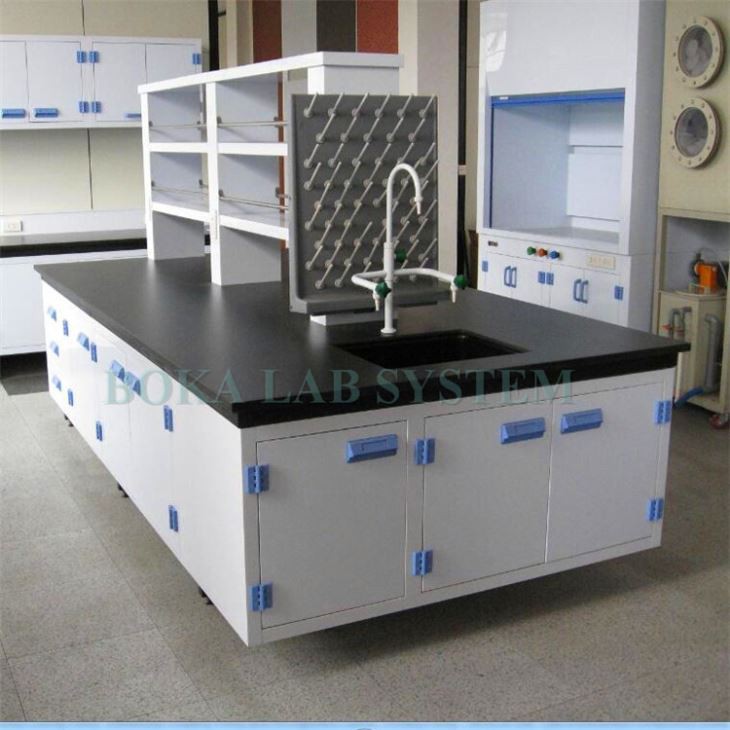
Base cabinets sit below countertops and are the workhorses of lab and science classrooms. They provide accessible storage for frequently used tools and consumables while supporting work surfaces above.

Wall-mounted cabinets maximize vertical space - critical in rooms where floor area is limited. They are ideal for storing reference materials, protective equipment, or items that must remain out of student reach.

Chemical storage cabinets are a non-negotiable investment for science labs. Designed to meet OSHA and NFPA regulations, these units isolate flammable, corrosive, or hazardous substances, protecting both students and staff while maintaining regulatory compliance.

Mobile cabinets add operational flexibility, allowing teachers to reconfigure shared spaces quickly for different activities - particularly valuable in multipurpose classrooms and open-plan school designs.
Why investing in quality matters
Budget procurement decisions in school furniture often prioritize upfront cost, but total cost of ownership tells a different story. Low-grade cabinets warp, corrode, and fail within a few academic cycles - generating replacement costs and maintenance burdens that far exceed the initial savings. High-quality classroom cabinets, by contrast, are typically warrantied for 10–15 years, offer spare parts availability, and are built to evolving safety standards.
Beyond durability, well-designed storage visibly reduces classroom disorder. Studies in educational psychology consistently link organized learning environments to improved student focus and reduced teacher cognitive load. Cabinetry is infrastructure for pedagogy - not merely furniture.