
Walk into any lab in the world, and you'll see them: silent guardians posted on doors, containers, and equipment. These are lab safety symbols, a universal language designed to protect us from harm. Understanding them isn't just part of protocol-it's a fundamental skill for every researcher.
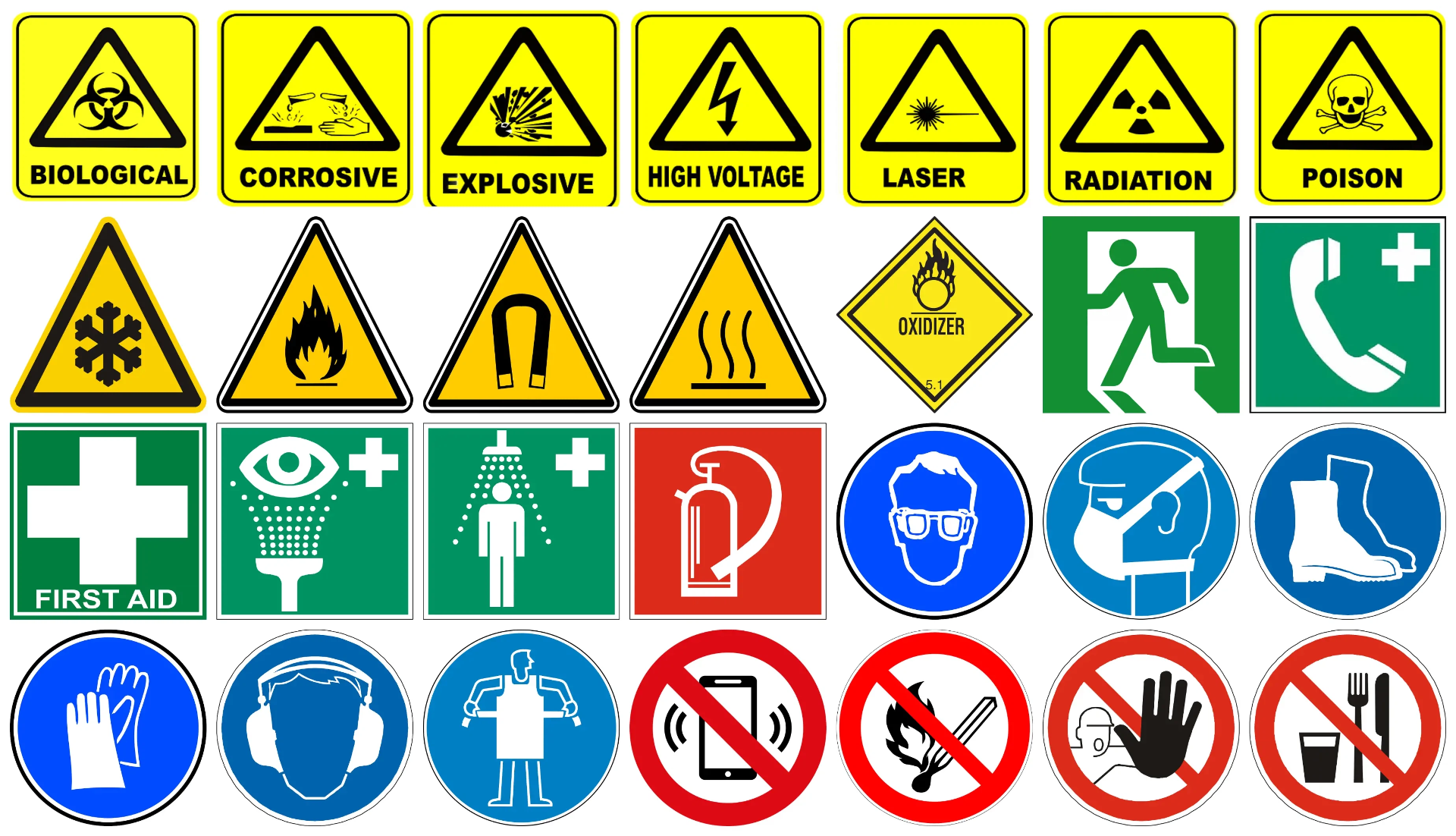
These symbols are categorized by shape and color, offering an instant visual cue:
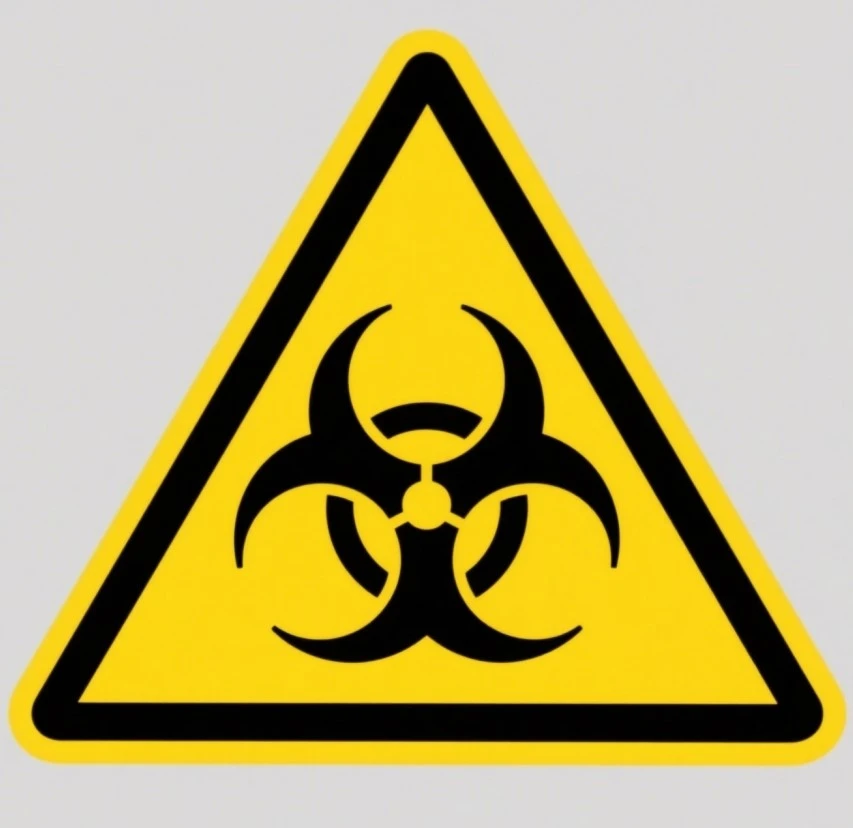
Warning (Yellow Triangle):

Prohibition (Red Circle with a Line):
This unmistakable symbol tells you what not to do. Whether it's "No Open Flames," "No Eating or Drinking," or "No Access," you must obey it.

Mandatory (Blue Circle):
This symbol dictates a specific action you must take to work safely. It commands you to "Wear Safety Goggles," "Wear Gloves," or "Use a Fume Hood."

Emergency (Green Rectangle):
These lifesaving symbols indicate the location of safety equipment, like eyewash stations, emergency showers, first-aid kits, and fire exits. Locate these before you need them.
Beyond the shapes, specific icons are critical.

1
The Flammable symbol (a flame) warns of ignitable chemicals.
2
The Corrosive symbol (a hand and metal bar being eroded) alerts you to substances that can destroy skin or equipment.
3
The Toxic symbol (skull and crossbones) and Oxidizing Agent symbol (a flame over a circle) signify severe health and fire risks.
How to Apply Lab Safety Symbols in Your Facility
In practice, symbols only work when the physical layout supports them. From our experience working with laboratory projects across pharmaceutical, university, food testing, and chemical industries, three points matter most:
- Match signage to the actual hazard zone. A "Wear Safety Goggles" sign means little if the nearest eyewash station is more than 10 seconds away from the workstation.
- Keep sightlines clear. Tall storage shelves and poorly placed cabinets frequently block emergency signage. Plan sign placement together with furniture layout, not after installation.
- Standardize across the whole lab. Mixed local and GHS symbol sets confuse visiting staff and auditors. Choose one system and apply it consistently.
Procurement Tips: Choosing Lab Furniture That Supports Safety Compliance
For purchasing managers and lab planners, safety symbols are a useful checklist when specifying equipment. Before you order, confirm:
Fume hoods have adequate face velocity for the chemicals indicated by your hazard symbols, and clear airflow indicators.
Eyewash and emergency showers are unobstructed, tested regularly, and installed within the required travel distance.
Chemical storage cabinets are separated by compatibility group - flammable, corrosive, and oxidizing agents each need their own space.
Worktop materials match your corrosion and heat exposure levels.
This approach suits research institutes, hospital and clinical labs, QC labs in manufacturing, and educational laboratories - anywhere hazard levels vary from bench to bench.
Frequently Asked Questions
What are the 4 main categories of lab safety symbols?
-
Warning (yellow triangle), prohibition (red circle with a line), mandatory action (blue circle), and emergency/safe condition (green rectangle). Shape and color tell you the type of message before you read any text.
What does the corrosive symbol mean in a laboratory?
-
It shows a hand and a metal bar being eroded, indicating a substance that can damage skin, eyes, or equipment. These chemicals require gloves, eye protection, corrosion-resistant worktops, and an accessible eyewash station.
Where should emergency eyewash and shower signs be placed?
-
Directly above or beside the unit, visible from the hazard area, and unobstructed by shelving, cabinets, or doors. The equipment itself should be within a short, unimpeded travel distance from the workstation.
Are lab safety symbols the same in every country?
-
Most modern labs use GHS pictograms, which are internationally standardized. Some regions still add local signage, so facilities should standardize on one system to avoid confusion during audits.
How do lab safety symbols affect laboratory furniture selection?
-
Hazard symbols indicate what your furniture must handle - flammables need dedicated storage cabinets, corrosives need chemical-resistant worktops, and toxic or volatile substances need properly rated fume hoods.
conclusion
These symbols are your best friends in the lab. They are a constant, silent reminder of the potential dangers and the necessary precautions. Make a habit of actively looking for them on every chemical bottle, instrument, and door. Your safety, and the safety of your team, depends on your ability to speak this language fluently. Don't just see them-understand and act on them.