
Laboratory cabinet is an essential component of any functional lab space, providing storage for equipment, chemicals, and supplies. The material selection for lab cabinet is crucial as it directly impacts durability, chemical resistance, and overall suitability for specific laboratory environments.
Aluminum and Wood Lab Cabinet
Aluminum and wood combination lab cabinet offers an attractive blend of aesthetic appeal and functionality. This lab cabinet typically features aluminum framing with wooden panels or doors, creating a warm yet professional appearance suitable for educational laboratories and research facilities where extreme chemical exposure is not a concern.

Pros:
- Aesthetically pleasing appearance with natural wood elements
- Lightweight compared to all-metal options
- Good durability when properly sealed and maintained
- Cost-effective compared to all-metal options
- Suitable for offices and educational settings
Cons:
- Limited chemical resistance compared to other materials
- Wood components may absorb moisture and chemicals
- Not ideal for wet labs or environments with high humidity
- Requires more maintenance to prevent deterioration
- Less fire-resistant than all-metal alternatives
Steel Lab Cabinet
Steel lab cabinet is among the most common laboratory storage solutions, offering substantial durability and strength. This lab cabinet is typically constructed from cold-rolled steel with a powder-coated finish that provides basic chemical resistance and prevents rusting.

Pros:
- Excellent structural strength and stability
- Good durability and long service life
- Relatively affordable compared to stainless steel
- Available in various colors through powder coating
- Suitable for general lab storage needs
Cons:
- Less chemical resistant than stainless steel or polypropylene
- Can rust if the protective coating is damaged
- Heavier than aluminum or polypropylene options
- Not ideal for highly corrosive environments
- May require repainting or refinishing over time
Stainless Steel Lab Cabinet
Stainless steel lab cabinet represents the premium metal option for laboratory environments. Made from high-grade stainless steel (typically 304 or 316 grade), this lab cabinet offers superior corrosion resistance, cleanliness, and longevity, making it ideal for medical, pharmaceutical, and food testing laboratories.
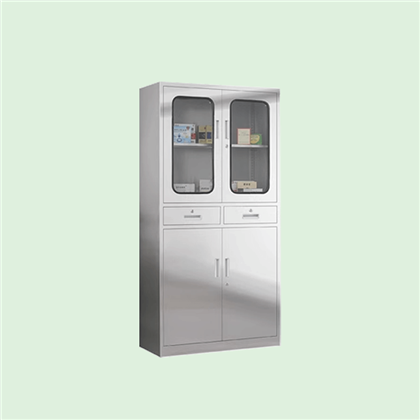
Pros:
- Excellent resistance to most chemicals and corrosion
- Non-porous surface prevents bacterial growth
- Extremely durable and long-lasting
- Easy to clean and sterilize
- Fire and heat resistant
- Professional appearance
Cons:
- Significantly higher cost than other materials
- Heavy weight makes installation more challenging
- Can be susceptible to certain acids (depending on grade)
- Limited color options
- Can show fingerprints and water spots
Polypropylene Lab Cabinet
Polypropylene is a thermoplastic polymer that offers exceptional chemical resistance. Polypropylene lab cabinet is particularly well-suited for laboratories dealing with strong acids, bases, and solvents, making it ideal for chemical storage and wet labs where corrosion resistance is paramount.

Pros:
- Superior resistance to acids, bases, and most chemicals
- Lightweight and easy to install
- Will not rust, corrode, or delaminate
- Moisture resistant
- Available in multiple colors
- Cost-effective for high-chemical environments
Cons:
- Less structural strength than metal options
- Can deform under heavy loads
- Lower heat resistance than metal lab cabinet
- May become brittle over extended exposure to UV light
- Less premium appearance than metal options
Laminate Lab Cabinet
Laminate lab cabinet features a core material (typically particleboard or MDF) covered with a plastic laminate layer. This laminate layer provides protection against minor chemical spills and moisture. This lab cabinet is often used in educational settings, office areas within labs, and environments where extreme chemical resistance is not required.
Pros:
Cost-effective solution
Wide variety of colors and patterns available
Lightweight and easy to install
Better chemical resistance than plain wood
Good for dry lab environments and office areas
Cons:
Less chemical resistant than polypropylene or stainless steel
Can delaminate if exposed to moisture for extended periods
Susceptible to damage at edges and seams
Not suitable for wet labs or areas with high chemical exposure
Shorter lifespan than metal or polypropylene options
If Chemical Resistance is Your Priority
For laboratories dealing with strong acids, bases, and corrosive chemicals, polypropylene lab cabinet offers the best overall chemical resistance. Stainless steel lab cabinet (particularly 316 grade) is an excellent alternative if you need both chemical resistance and structural strength. Both materials resist most laboratory chemicals and prevent degradation over time.
If Durability is Your Primary Concern
Stainless steel lab cabinet provides the best combination of durability, strength, and longevity. With proper maintenance, stainless steel lab cabinet can last decades even in demanding laboratory environments. Steel lab cabinet with quality powder coating offers a more economical yet still durable alternative, particularly for environments without extreme chemical exposure.
BOKA stands as a leading Chinese manufacturer of laboratory lab cabinet, offering high-quality laboratory storage systems tailored to meet specific requirements of various laboratory environments.