
In a high-pressure laboratory environment-whether focused on pharmaceutical research, food safety testing, or industrial chemistry-safety is the bedrock of operational continuity. Storing volatile solvents like acetone, ethanol, or benzene on open benches is a disaster waiting to happen. A professional Laboratory Fire Cabinet is more than a storage unit; it is your first line of defense, engineered to isolate flammable hazards and buy life-saving time during an emergency.
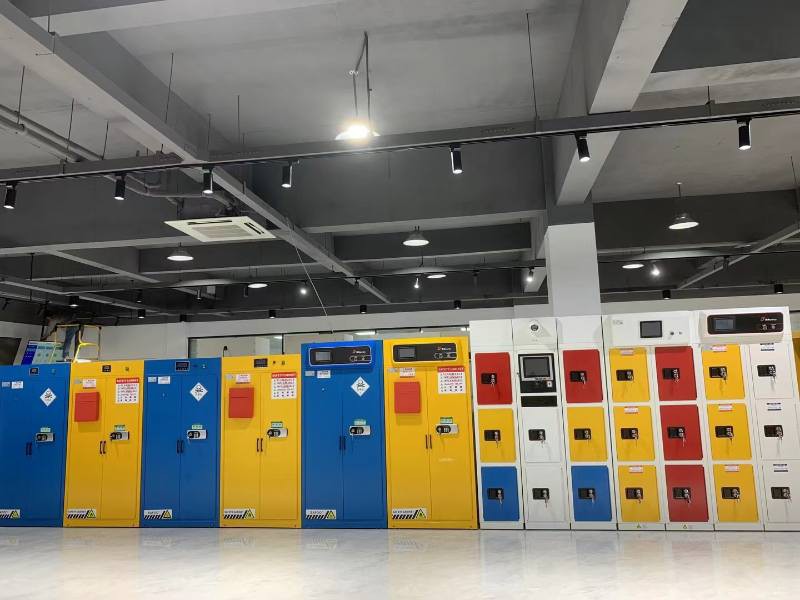
Why Quality Engineering Matters
Standard metal cupboards offer zero protection against heat. A certified safety cabinet is defined by its double-walled 1.2mm (18-gauge) galvanized steel construction with a 38mm (1.5-inch) insulating air space. This specific design is thermal-engineered to keep internal temperatures safe for 30 to 90 minutes during a fire, allowing personnel to evacuate and emergency teams to respond.
Key technical features you must prioritize include:

01
Leak-Proof Sump:
A 50mm (2-inch) deep bottom sump to contain accidental spills.
02
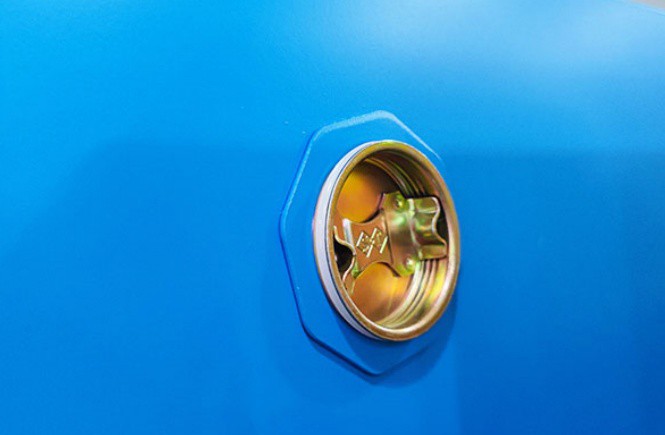
Dual Vents with Flame Arresters:
To prevent pressure buildup and external ignition.
03
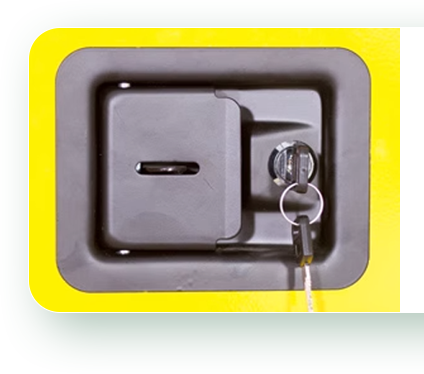
3-Point Interlocking System:
Ensuring a tight seal and preventing unauthorized access.

04
Static Grounding Lugs:
Critical for eliminating sparks during solvent transfer.
Navigating Global Compliance Standards
For cross-border procurement, meeting international regulations is non-negotiable. Investing in a high-quality cabinet ensures your facility complies with:
- OSHA 29 CFR 1910.106 & NFPA 30: The gold standards for US-based safety.
- EN 14470-1:2023: The latest European standard for fire resistance.
- FM Approvals / UL 1275: Independent certifications that guarantee real-world performance.
The Color-Coding Safety System
To prevent cross-contamination and accidental reactions, follow the international color-coding standard:
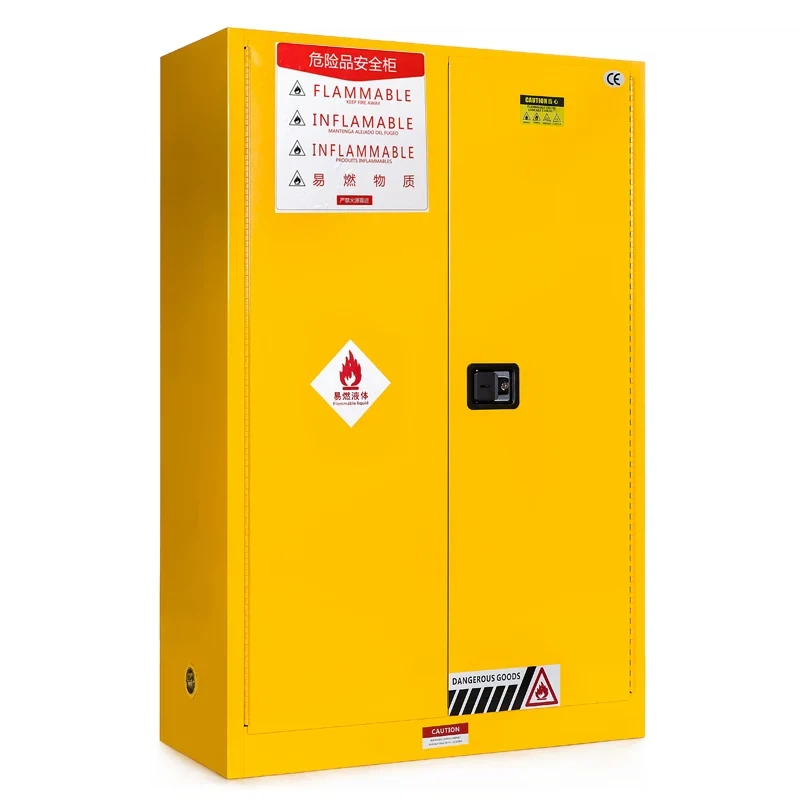
Yellow: Flammable liquids (e.g., Alcohols, Hydrocarbons).
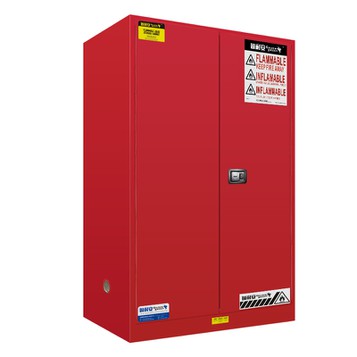
Red: Combustible materials (Paints, Aerosols).
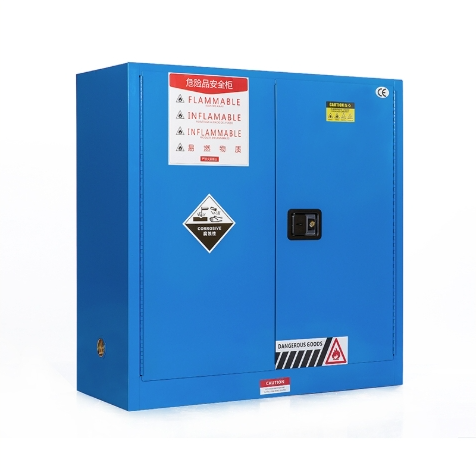
Blue: Corrosive liquids (Acids/Bases-requires polyethylene liners).
Myth vs. Reality: The ROI of Safety
Many lab managers hesitate due to the initial cost. However, a single minor flash fire can cause over $50,000 in equipment damage and lost research time. Compared to that, a certified fire cabinet is a high-yield, low-cost insurance policy.
Optimize Your Lab Safety Today
Don't wait for a "near-miss" to audit your chemical storage. Whether you need a compact 12-gallon under-bench unit for a food testing lab or a 90-gallon high-capacity floor model, choosing the right specifications is vital.
[Explore our Full Collection of FM-Certified Fire Cabinets] or contact our technical team today for a customized compliance checklist. Stay safe. Store smart.